





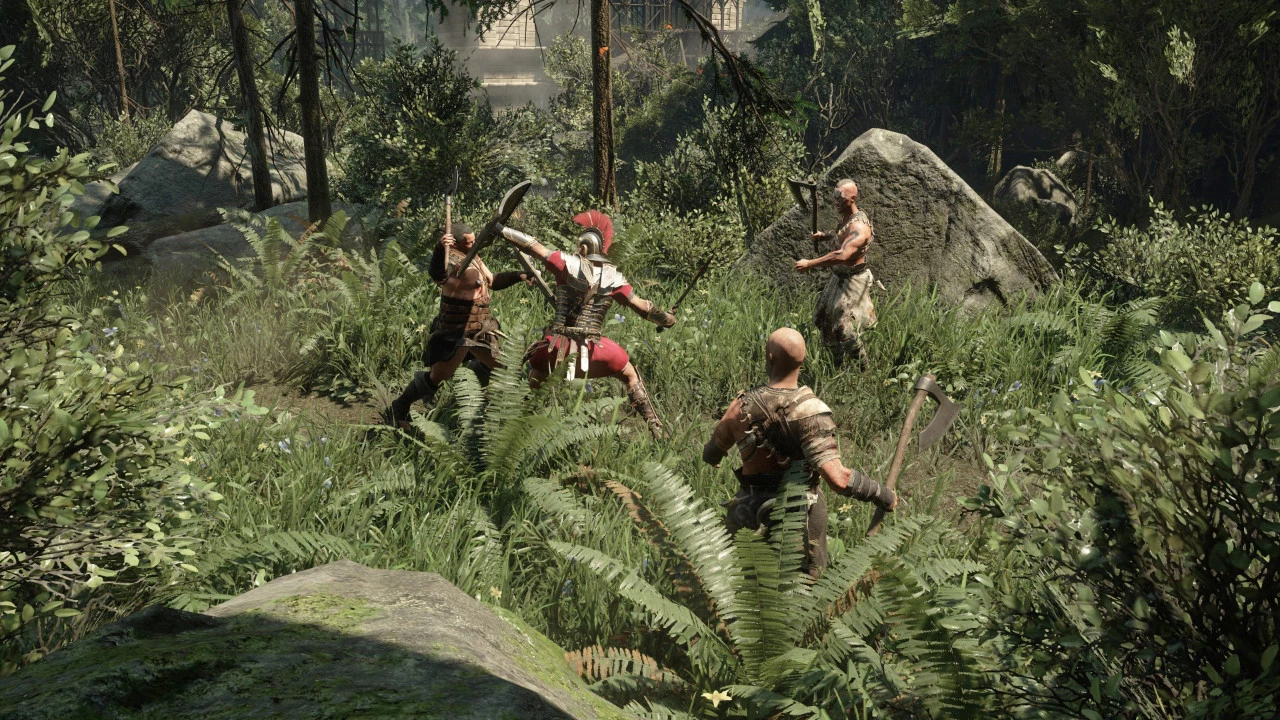
When Ryse: Son of Rome launched alongside the Xbox One in November 2013, it was positioned as one of the flagship titles for Microsoft’s new console. The game captivated players with its stunning visuals and cinematic presentation, showcasing what the next generation of gaming hardware could achieve. However, beneath the polished surface lay the remnants of a far more ambitious project—one that originally aimed to rival Ubisoft’s massively successful Assassin’s Creed franchise with deep historical exploration and open-world gameplay mechanics.
Developed by Crytek, the German studio renowned for pushing graphical boundaries with the Crysis series, Ryse: Son of Rome followed the story of Marius Titus, a Roman soldier seeking vengeance against barbarian invaders who murdered his family. The game transported players to ancient Rome during the height of the Empire, featuring brutal gladiatorial combat, massive siege battles, and encounters with historical figures. Despite its visual prowess, the final product received mixed reviews, with critics praising its graphics while criticizing its repetitive gameplay and short campaign length.
The Ambitious Origins: A Roman Assassin’s Creed
According to revelations from developers who worked on the project, Ryse: Son of Rome underwent a tumultuous development cycle that saw its scope dramatically reduced. The original vision for the game was far grander, featuring an open-world structure that would allow players to explore ancient Rome freely, much like how Assassin’s Creed lets players traverse historical cities. This concept included side missions, character progression systems, and the ability to navigate Roman society from the streets to the Senate chambers.
The game’s development began in 2006, initially conceived as a first-person combat title for the Xbox 360 utilizing Kinect motion controls. Microsoft saw potential in making it a showcase for their motion-sensing peripheral, but the technology proved inadequate for the precision required in combat scenarios. This forced Crytek to pivot multiple times, eventually abandoning Kinect integration entirely and shifting to a traditional third-person action format. The constant changes consumed valuable development time and resources, ultimately forcing the team to scale back their open-world ambitions.
Technical Achievements Despite Creative Compromises
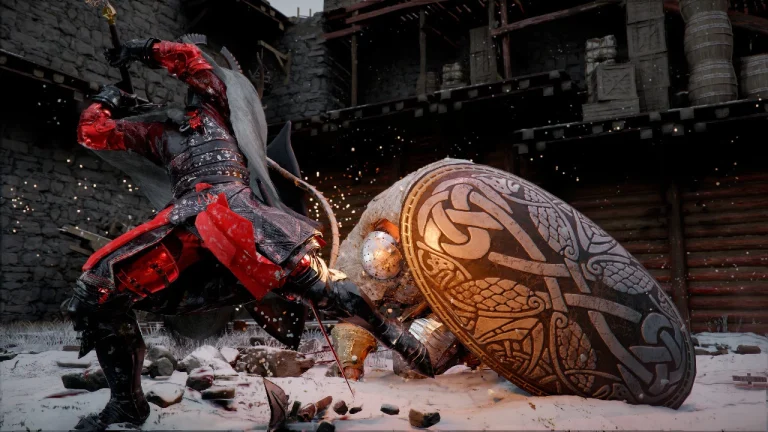
What Ryse: Son of Rome lacked in gameplay depth, it compensated for with unprecedented visual fidelity. Crytek leveraged their proprietary CryEngine to create some of the most realistic character models and environments seen in gaming at that time. The studio employed advanced motion capture techniques, recording hundreds of combat animations to create fluid, visceral sword fights. The attention to historical detail in armor designs, architectural elements, and environmental storytelling demonstrated the team’s dedication to authenticity, even as the game’s interactive elements were streamlined.
The combat system, while visually impressive, became a point of contention among players and critics. It relied heavily on quick-time events and execution sequences that, though spectacular to watch, offered limited player agency. Industry analysts have since pointed to Ryse as a cautionary tale about prioritizing visual spectacle over gameplay mechanics. The game reportedly sold over one million copies, a respectable figure but far below Microsoft’s expectations for a console launch exclusive. This commercial performance contributed to the cancellation of planned sequels and ultimately Crytek’s decision to step back from AAA console development.
Legacy and Industry Impact
Despite its shortcomings, Ryse: Son of Rome remains a significant artifact in gaming history. It demonstrated both the potential and the pitfalls of launch title development, where pressure to showcase new hardware capabilities can overshadow fundamental game design principles. The title has gained a cult following among players who appreciate its cinematic approach to Roman history and its technical achievements. In 2014, the game received a PC port that allowed players with high-end systems to experience enhanced visuals beyond what the console version offered.
The story of Ryse serves as an important lesson for the gaming industry about the dangers of scope creep and the importance of maintaining a cohesive vision throughout development. While the Assassin’s Creed series continued to dominate the historical action-adventure genre, Ryse stands as a reminder of what might have been—a Roman epic that could have challenged Ubisoft’s throne had circumstances been different. The game’s troubled development, spanning nearly seven years across two console generations, illustrates the complex challenges facing modern AAA game development, where technical ambition must be balanced against realistic production timelines and player expectations.
Expert Opinion: Ryse: Son of Rome exemplifies a critical inflection point in gaming history where visual fidelity began to outpace gameplay innovation during console transitions. The project’s transformation from an ambitious open-world experience to a linear showcase title reflects systemic issues in the industry regarding launch window pressure and hardware demonstration priorities. Moving forward, studios would be wise to establish clear creative boundaries early in development rather than continuously pivoting based on technological constraints, as Crytek’s experience demonstrates how endless iteration can ultimately undermine even the most visually stunning projects.