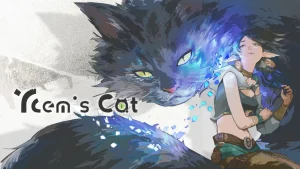



The massively multiplayer online role-playing game landscape is looking surprisingly sparse as we approach the final stretch of 2026. After numerous delays, postponements, and games that have already made their debut, only a handful of notable titles remain on the horizon for eager fans of the genre. For a market that once seemed poised for a renaissance, the current state of affairs reflects broader challenges facing the gaming industry, including rising development costs, shifting player expectations, and the lingering effects of global disruptions that have impacted production schedules worldwide.
As of late August 2026, the MMORPG community finds itself in an unusual waiting period. The projects that remain in development represent a mix of ambitious new IPs and long-awaited sequels, though the timeline for their arrival has become increasingly uncertain. This situation marks a notable departure from the genre’s golden era in the mid-2000s, when major releases seemed to arrive with clockwork regularity, each promising to become the next World of Warcraft killer.
The Current State of the MMORPG Industry
The MMORPG genre has undergone significant transformation over the past decade. Once the dominant force in online gaming, these sprawling virtual worlds now compete with battle royales, live-service shooters, and mobile gaming platforms for players’ attention and spending. Industry analysts have noted that developing a modern MMORPG requires investments often exceeding $100 million, with development cycles stretching anywhere from five to ten years. This financial reality has caused many studios to reconsider their approach, with some opting for smaller-scale projects or hybrid models that blend MMO elements with other genres.
The games still awaiting release before December 2026 represent projects that have survived multiple rounds of industry consolidation and economic uncertainty. Several highly anticipated titles that were once expected to launch during this window have either been delayed into 2027 or have entered indefinite development limbo. This pattern reflects the challenging environment facing developers who must balance ambitious creative visions with the practical realities of modern game development, including increasingly demanding technical requirements and player expectations shaped by existing genre leaders.
Historical Context and Genre Evolution
To understand the current MMORPG landscape, it helps to look back at the genre’s history. The modern MMORPG era began with titles like Ultima Online in 1997 and EverQuest in 1999, which established many conventions still present today. World of Warcraft’s 2004 launch represented a watershed moment, bringing the genre into mainstream consciousness and setting standards that developers have struggled to match ever since. At its peak, WoW boasted over 12 million subscribers, a figure that seemed to establish a floor rather than a ceiling for the genre’s potential.
However, the landscape shifted dramatically in the following years. Numerous high-profile projects, including Star Wars: The Old Republic and The Elder Scrolls Online, launched with massive budgets but struggled to maintain subscriber bases comparable to Blizzard’s flagship title. Many games pivoted to free-to-play models, while others shuttered entirely. This historical context helps explain why publishers have become more cautious about greenlighting new MMORPGs, and why the projects that do reach development often face extended timelines as studios work to ensure their games can compete in a crowded market.
What Players Can Expect Moving Forward
For MMORPG enthusiasts, the remainder of 2026 requires patience and measured expectations. The titles still scheduled for release represent studios’ best efforts to deliver polished experiences that can attract and retain players in an increasingly competitive environment. Industry observers suggest that quality over quantity may ultimately benefit the genre, as rushed launches have historically resulted in critical and commercial disappointments that damage both individual games and player trust in the broader MMORPG space.
The upcoming releases that remain on track typically share certain characteristics: established development teams with proven track records, substantial financial backing from publishers willing to weather extended development periods, and clear visions for how their games will differentiate themselves from existing options. As the year progresses, players should monitor official announcements closely, as release dates in this genre have proven particularly fluid. The studios behind these projects understand that launching a successful MMORPG in 2026 means competing not just with other new releases, but with established titles that have had years to refine their content and build loyal communities.
Expert Opinion: The sparse MMORPG release calendar for late 2026 signals an industry in transition rather than decline. We’re likely witnessing a quality-focused consolidation where only the most well-funded and carefully developed projects survive to launch. Expect 2027 and beyond to see fewer but more polished MMORPG releases, as studios learn from past failures and focus on sustainable long-term player engagement rather than flashy launches.