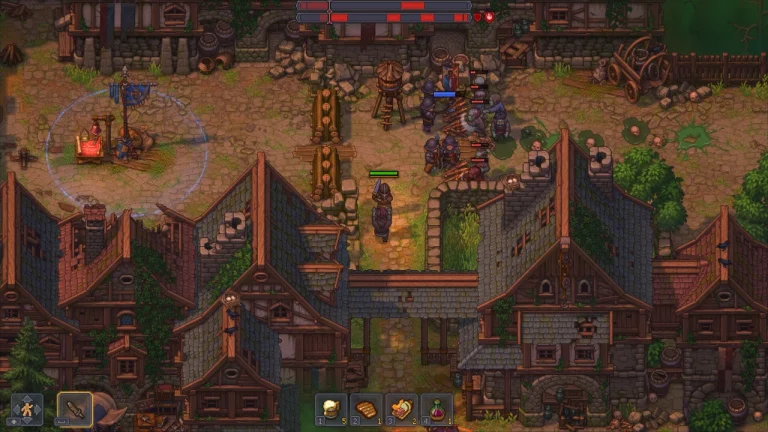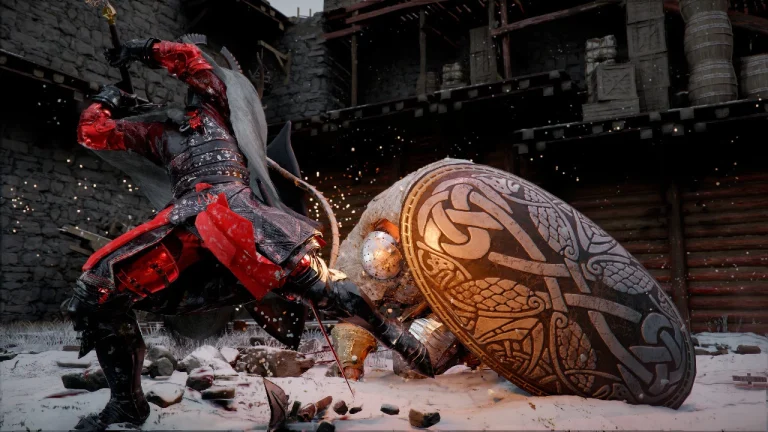











Panache Digital Games has officially announced the early access release of their long-awaited mystical action game 1666: Amsterdam. The title, which has been in development for over a decade, finally allows players to experience its supernatural take on 17th-century Dutch history. However, initial player reception suggests that while the game shows considerable promise, prospective buyers might want to hold off until further development polish is applied to the experience.
The early access launch has generated mixed but cautiously optimistic feedback from the gaming community. Players who have purchased the title on Steam have noted that while the core gameplay mechanics and atmospheric setting show genuine potential, the current build suffers from various technical issues and incomplete features typical of early access releases. The consensus among reviewers recommends that interested players monitor development progress before committing to a purchase, as the foundation appears solid enough to warrant future investment.
A Troubled Development History Spanning Over a Decade
The story behind 1666: Amsterdam is almost as dramatic as the game itself. The project was originally conceived by Patrice Désilets, the creative mind behind the original Assassin’s Creed games and Prince of Persia: The Sands of Time. Désilets began developing the game at Ubisoft before departing the company, taking the concept with him to THQ Montreal. When THQ collapsed in 2013, the project entered a legal limbo as Ubisoft acquired the Montreal studio and the rights to the game. After years of legal battles, Désilets finally regained control of the intellectual property in 2016, eventually founding Panache Digital Games to continue development independently.
This tumultuous journey through multiple studios and ownership disputes has inevitably shaped the final product. The game represents not just a creative vision but also a testament to developer perseverance in an industry where projects frequently get cancelled or absorbed into corporate portfolios. For many industry observers, the mere fact that 1666: Amsterdam has finally reached playable form represents a significant milestone, regardless of its current technical state.
Gameplay and Setting: Supernatural Intrigue in the Dutch Golden Age
Set during the height of the Dutch Golden Age, 1666: Amsterdam transports players to a meticulously recreated version of one of Europe’s most prosperous and culturally significant cities. The game blends historical accuracy with supernatural elements, creating a unique atmosphere that distinguishes it from other action titles in the market. Players navigate through narrow cobblestone streets, iconic canal networks, and period-appropriate architecture while uncovering dark mysteries that lurk beneath the surface of Amsterdam’s thriving merchant society.
The action gameplay reportedly draws from Désilets’ extensive experience in crafting engaging combat and exploration systems. Early impressions suggest that the parkour and combat mechanics show the influence of his previous work, though they require additional refinement. The supernatural elements add an intriguing layer to the historical setting, promising players an experience that goes beyond typical period-piece action games. Industry analysts note that this combination of historical authenticity and fantastical storytelling represents an ambitious design philosophy that few developers attempt.
Early Access Strategy and Future Development Roadmap
The decision to launch in early access reflects a broader industry trend where independent developers seek community feedback to shape their games during development. For Panache Digital Games, this approach allows the small team to iterate on player suggestions while generating revenue to fund continued development. The studio has indicated plans to expand content, improve performance, and address reported bugs throughout the early access period, though specific timelines remain unannounced.
Gaming industry experts suggest that early access can be a double-edged sword for titles with such lengthy development histories. While it provides an opportunity to rebuild momentum and engage with dedicated fans, it also risks disappointing players who have waited years for a polished experience. The current player recommendation to wait suggests that Panache Digital Games has work ahead to meet community expectations, but the underlying optimism indicates confidence in the team’s ability to deliver on their vision.
Expert Opinion: Given Patrice Désilets’ proven track record with narrative-driven action games and the unique historical-supernatural premise, 1666: Amsterdam has significant potential to become a cult favorite once development matures. However, players should realistically expect a 12-18 month early access period before the game reaches its full potential, making the current wait-and-see approach prudent for all but the most dedicated supporters of independent game development.