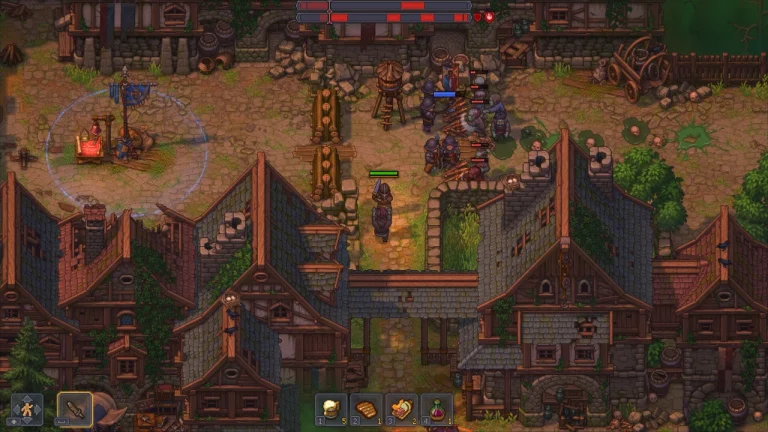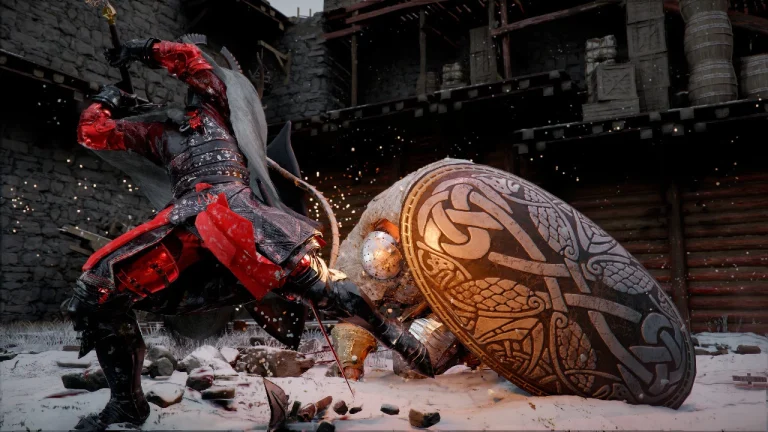









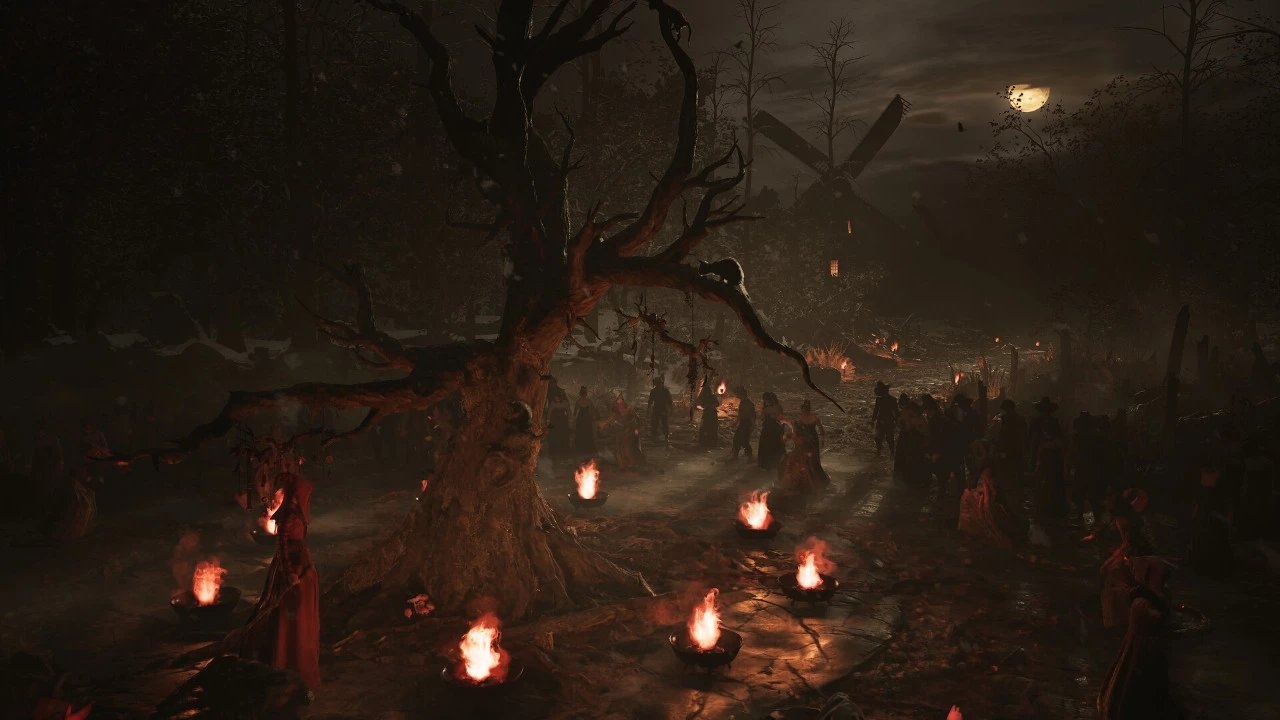
Panache Digital Games has officially announced that their highly anticipated horror action title, 1666: Amsterdam, will enter early access on August 25. This announcement marks a significant milestone for a project that has been in development limbo for over a decade, finally giving fans the opportunity to experience the dark and atmospheric world that creative director Patrice Désilets has been crafting since the early 2010s.
The game represents one of the most remarkable comeback stories in recent gaming history. Originally conceived during Désilets’ tenure at Ubisoft, the project went through a tumultuous journey involving corporate disputes, legal battles, and multiple studio changes before finally finding a stable home at Panache Digital Games, the independent studio Désilets founded in 2014.
A Troubled Development History
The story of 1666: Amsterdam is as dramatic as the game itself. Patrice Désilets, widely recognized as the creative mind behind the original Assassin’s Creed series, first began developing the concept while working at THQ Montreal in 2012. When THQ filed for bankruptcy in early 2013, Ubisoft acquired THQ Montreal along with the rights to 1666: Amsterdam. However, Désilets was subsequently terminated from Ubisoft, leading to a protracted legal battle over the intellectual property rights to the game.
After years of litigation, Désilets finally regained the rights to his creation in 2016, allowing him to continue development through his independent studio. The long road to this early access launch demonstrates both the challenges facing creative professionals in the gaming industry and the determination of developers who believe in their artistic vision.
Gameplay and Setting
Set during the Dutch Golden Age, 1666: Amsterdam promises to deliver a unique blend of horror and action gameplay set against the backdrop of one of history’s most fascinating periods. The 17th century Netherlands was a time of unprecedented wealth, scientific advancement, and cultural flourishing, but also of religious tensions and superstition. This rich historical context provides fertile ground for a horror narrative that explores the darker aspects of human nature and society.
While specific gameplay details remain somewhat guarded, the game is expected to feature supernatural elements woven into a historically grounded setting. The combination of Désilets’ proven track record in creating atmospheric, story-driven experiences and the underutilized historical setting has generated considerable excitement among gaming enthusiasts who have followed the project’s troubled journey.
Early Access Strategy and Future Development
The decision to launch in early access reflects a growing trend in the gaming industry, particularly among independent studios. This approach allows developers to gather valuable player feedback while continuing to refine and expand the game. For a project with such a complicated history, early access also provides an opportunity to finally put the game in players’ hands while maintaining flexibility for ongoing development.
Panache Digital Games has not yet revealed comprehensive details about pricing, platform availability, or the expected timeline for the full release. However, the studio’s commitment to finally delivering this long-awaited title suggests that substantial work has already been completed, and the early access period will focus on polishing and expanding the existing foundation rather than building from scratch.
As August 25 approaches, fans of atmospheric horror and historical gaming alike will be watching closely to see how 1666: Amsterdam performs in its initial release. The game represents not just a new entry in the horror genre, but a testament to creative perseverance in an industry often dominated by corporate interests and safe commercial decisions.
Expert Opinion: The successful launch of 1666: Amsterdam in early access could set an important precedent for developer rights and creative ownership in the gaming industry. Given Patrice Désilets’ track record with the Assassin’s Creed franchise, this project has significant potential to deliver a fresh take on historical horror gaming. If the early access reception is positive, we may see renewed interest in the Dutch Golden Age as a setting for interactive entertainment, opening doors for similar historically-grounded narrative experiences.