



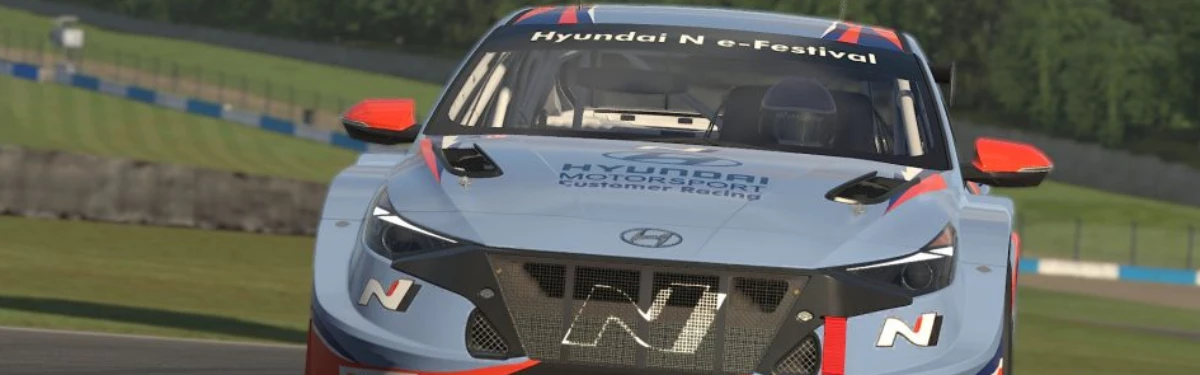
In a significant development for the competitive virtual racing community, Russian esports athletes Kirill Antonov and Kirill Sokovikov have been suspended from participating in the Hyundai N e-Festival Global League championship. The prestigious tournament, which operates on the popular iRacing simulation platform, has become the latest esports event to enforce restrictions against Russian competitors, reflecting the broader international sanctions and sporting bans that have affected athletes across multiple disciplines since early 2022.
The suspension of these two talented drivers represents another chapter in the ongoing isolation of Russian athletes from international competition. Both Antonov and Sokovikov had established themselves as formidable competitors in the sim racing community, with impressive track records in various virtual motorsport events. Their exclusion from this high-profile Hyundai-sponsored championship underscores the far-reaching consequences that geopolitical tensions continue to have on the world of competitive gaming and esports.
The Growing Impact on Esports and Sim Racing
The decision to ban Russian competitors from the Hyundai N e-Festival Global League follows a pattern that has emerged across the esports industry over the past several years. Major gaming organizations, tournament operators, and sponsors have increasingly aligned their policies with those of traditional sports governing bodies, implementing restrictions that affect Russian and Belarusian participants. The iRacing platform, known for its highly realistic physics engine and professional-grade simulation capabilities, hosts numerous international competitions that attract both amateur enthusiasts and professional drivers seeking to hone their skills.
Sim racing has experienced exponential growth in recent years, particularly following the global pandemic when many real-world motorsport events were canceled or postponed. Professional Formula 1 drivers, NASCAR competitors, and endurance racing champions regularly participate in iRacing events, lending credibility and visibility to the platform. The Hyundai N e-Festival Global League represents a significant marketing investment by the Korean automotive giant, which has been aggressively promoting its N performance brand through both traditional motorsport and virtual racing initiatives.
Historical Context and International Sports Sanctions
The exclusion of Russian athletes from international competition has precedent in multiple sporting disciplines. Since 2022, Russian competitors have faced bans or restrictions in football, tennis, athletics, ice hockey, and numerous other sports. The International Olympic Committee has issued recommendations that have been interpreted and implemented differently by various sports federations, creating an inconsistent landscape for affected athletes. In esports, some organizations have allowed Russian players to compete under neutral flags, while others have implemented outright bans.
The sim racing community has been particularly affected by these developments, as the discipline relies heavily on international online competition. Unlike traditional motorsport, which requires physical presence at race tracks, sim racing’s digital nature means that geographical borders become irrelevant from a technical standpoint. However, sponsorship considerations, broadcasting rights, and political pressures have led organizers to implement restrictions despite the theoretical accessibility of online competition. This has created a challenging situation for Russian sim racers who have invested years in developing their skills and building competitive careers.
Future Implications for Virtual Motorsport
The suspension of Antonov and Sokovikov raises important questions about the future of international esports competition and the role of politics in virtual sports. Industry analysts suggest that these restrictions may persist for the foreseeable future, potentially creating parallel competitive ecosystems where excluded athletes compete in regional or alternative tournaments. Some Russian esports organizations have already begun developing domestic competitions to provide opportunities for affected players.
For Hyundai and other major sponsors investing in sim racing, these decisions involve careful balancing of brand reputation, market considerations, and competitive integrity. The N e-Festival Global League serves as both a marketing platform and a talent identification program, connecting virtual racing excellence with real-world automotive enthusiasm. As the esports industry continues to mature and attract mainstream attention and investment, the intersection of sport, politics, and business will likely remain a contentious and evolving landscape that affects athletes, organizers, and fans alike.
Expert Opinion: The continued exclusion of Russian athletes from international esports competitions signals that virtual sports are now fully integrated into the global sporting ecosystem, with all its political complexities. As sim racing continues to grow in legitimacy and commercial value, we can expect these policies to persist until broader geopolitical situations change. This creates both challenges for affected athletes and opportunities for regional competition development, potentially reshaping the competitive landscape of virtual motorsport for years to come.