



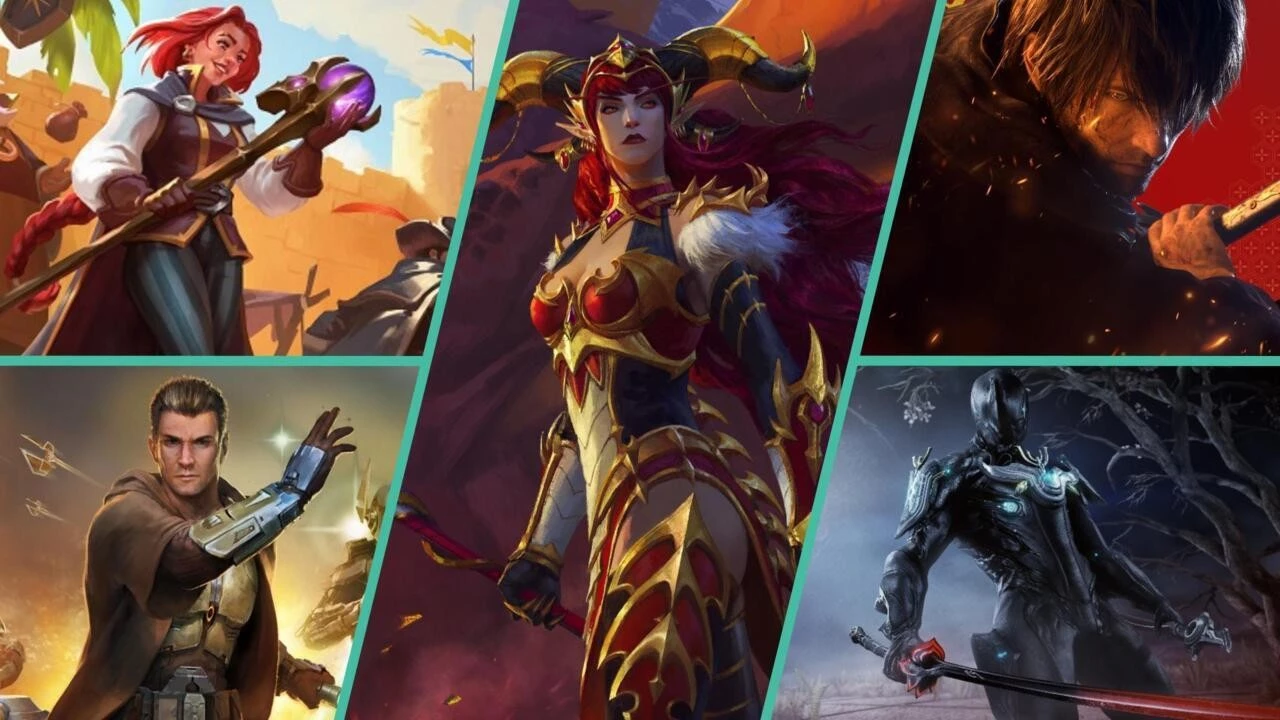
Just a few years ago, it seemed like the MMORPG genre was on the verge of a new golden age. Players eagerly awaited massive announcements, developers promised vast living worlds filled with endless possibilities, and every new online game had the potential to become the next big phenomenon. The excitement was palpable across gaming communities worldwide, with forums buzzing about upcoming titles that would supposedly revolutionize the way we experience virtual worlds together. However, as we navigate through 2026, the landscape looks remarkably different from what many had hoped for.
The reality that MMORPG enthusiasts face today is a complex mixture of disappointment, adaptation, and cautious optimism. Several highly anticipated projects have been cancelled, delayed indefinitely, or launched in states far below expectations. The genre that once dominated PC gaming and captured the imaginations of millions now struggles to maintain relevance in an era dominated by battle royales, live-service shooters, and increasingly sophisticated single-player experiences. Yet despite these challenges, dedicated communities continue to thrive, and there are genuine reasons to maintain hope for the future of massively multiplayer online role-playing games.
The Evolution of MMORPGs: From Golden Age to Modern Challenges
To understand where MMORPGs stand in 2026, we must look back at the genre’s remarkable journey. The early 2000s represented the true golden age, with titles like World of Warcraft, EverQuest, and Final Fantasy XI capturing millions of subscribers and fundamentally changing how people thought about gaming. World of Warcraft alone peaked at over 12 million active subscribers in 2010, generating billions in revenue and proving that virtual worlds could sustain massive, engaged communities for years. These games offered something unprecedented: persistent worlds where your actions mattered, where friendships formed across continents, and where epic adventures unfolded over months and years rather than hours.
The following decade saw numerous attempts to capture that same magic. Games like Guild Wars 2, The Elder Scrolls Online, and Final Fantasy XIV each found their audiences, with FFXIV notably experiencing a dramatic resurgence that proved the genre still had life. However, the broader trend showed declining interest. Development costs skyrocketed as player expectations grew, while the free-to-play model introduced monetization practices that alienated many core fans. The rise of mobile gaming and shorter-form entertainment further fragmented attention spans, making the substantial time investment MMORPGs require increasingly difficult to justify for casual players.
Understanding Why Players Feel Disconnected
The disappointment many MMORPG fans feel in 2026 stems from several interconnected factors. First, there’s the promise-versus-delivery gap that has become endemic to the genre. Projects like Ashes of Creation and Riot’s cancelled MMO generated years of hype before either failing to materialize or launching with significant compromises. This cycle of elevated expectations followed by underwhelming reality has created a deeply cynical player base that approaches new announcements with skepticism rather than excitement. Industry analysts estimate that over 60% of announced MMORPGs never reach full release, a sobering statistic that explains the community’s wariness.
Additionally, the social fabric that once defined MMORPGs has fundamentally changed. Modern games often feature extensive quality-of-life improvements like automated matchmaking, instant teleportation, and streamlined progression systems. While these conveniences reduce friction, they also eliminate the organic social interactions that made older MMOs feel like genuine communities. Players no longer need to communicate, cooperate, or form lasting relationships to succeed. The efficiency that modern design prioritizes has inadvertently stripped away the friction that once forced meaningful human connection, leaving many veterans feeling isolated even in worlds filled with thousands of other players.
Finding Joy in the Current Landscape
Despite these challenges, there are concrete strategies for rediscovering the magic of MMORPGs in 2026. The key lies in adjusting expectations and approaching these games with intentionality rather than passive consumption. Instead of chasing the newest release, consider diving deep into established titles with proven track records. Games like Final Fantasy XIV continue to deliver substantial content updates and maintain welcoming communities. Eve Online offers unparalleled player-driven narratives for those seeking truly emergent gameplay. Even older titles like Lord of the Rings Online provide rich experiences for players willing to embrace their particular charms.
Perhaps most importantly, the social aspect of MMORPGs requires active cultivation in 2026. Join guilds, participate in voice chat, organize events, and resist the temptation to solo through content designed for groups. The magic of these games has always resided in shared experiences, and that fundamental truth hasn’t changed even as the games themselves have evolved. Community-run servers and private projects also offer alternatives to official releases, often capturing the spirit of older designs that modern commercial products have abandoned. By approaching MMORPGs as platforms for social connection rather than content delivery systems, players can rediscover what made these games special in the first place.
Expert Opinion: The MMORPG genre is undergoing a necessary correction period rather than a terminal decline. We’re likely to see a bifurcation in the market over the next few years, with smaller, more focused projects serving dedicated communities while major studios either exit the space entirely or fundamentally reimagine what an MMO can be. Players who maintain reasonable expectations and actively invest in community building will find these games as rewarding as ever—the magic hasn’t disappeared, it simply requires more intentional engagement to access.