







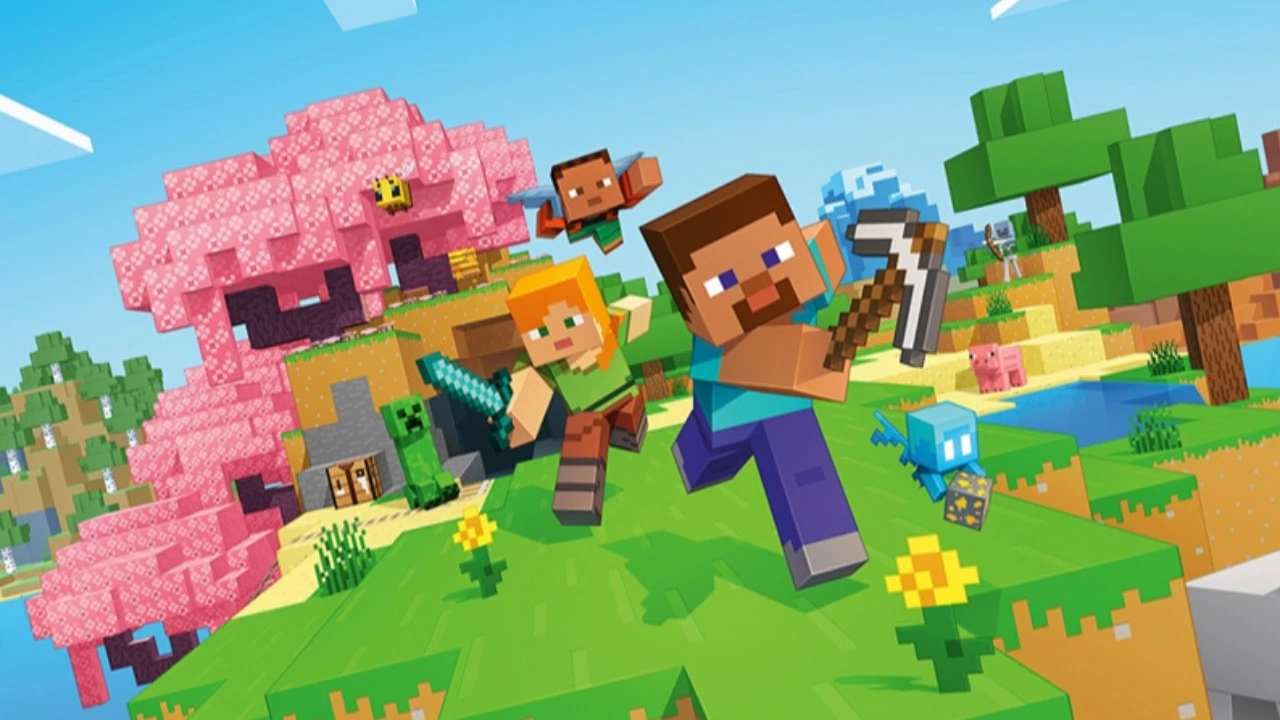
In a significant move that marks a new era for one of the world’s most beloved video games, Microsoft has officially updated the system requirements for Minecraft: Java Edition — the first such change in the game’s entire 17-year history. This unprecedented update signals the evolution of the iconic sandbox game that has captivated hundreds of millions of players worldwide since its initial release in 2011, with development stretching back to 2009 when creator Markus “Notch” Persson first introduced the concept to the gaming world.
The decision to raise hardware requirements reflects the substantial technical improvements and graphical enhancements that have been integrated into Minecraft over nearly two decades of continuous development. What began as a simple block-building game with rudimentary graphics has transformed into a sophisticated gaming platform featuring complex lighting systems, elaborate biomes, and increasingly detailed textures that demand more from modern computer hardware.
Understanding the New Requirements
While Microsoft has not disclosed the complete specifications in detail, industry analysts suggest that the updated requirements likely include more modern processors, increased RAM allocation, and potentially updated graphics card specifications. The previous minimum requirements, which had remained unchanged since Minecraft’s official release, were remarkably modest by today’s standards — a testament to the game’s original design philosophy of accessibility and broad compatibility. Players running older hardware configurations may now need to consider upgrades to continue enjoying the latest versions of the Java Edition.
The timing of this update coincides with Microsoft’s broader strategy to modernize the Minecraft experience across all platforms. Since acquiring Mojang Studios in 2014 for a staggering $2.5 billion, Microsoft has invested heavily in expanding the Minecraft universe, introducing features like ray tracing support, enhanced render distances, and more sophisticated world generation algorithms that naturally require more computational power to run smoothly.
Historical Context and Game Evolution
Minecraft’s journey from an indie project to a global phenomenon represents one of gaming’s most remarkable success stories. The game has sold over 300 million copies across all platforms, making it the best-selling video game of all time. Throughout its history, Minecraft has received hundreds of updates adding new creatures, blocks, biomes, and gameplay mechanics. Major updates like the Caves and Cliffs expansion and the more recent additions have progressively pushed the boundaries of what the game’s engine can deliver, ultimately necessitating this hardware requirement revision.
The Java Edition specifically holds a special place in the hearts of dedicated Minecraft enthusiasts, offering extensive modding capabilities and a different technical foundation compared to the Bedrock Edition. This version has historically been the platform for community innovations, custom servers, and modifications that have extended the game’s longevity and appeal. Maintaining backward compatibility with ancient hardware while supporting modern features had become increasingly challenging for the development team at Mojang Studios.
Impact on the Player Community
The announcement has generated mixed reactions within the Minecraft community. While many players welcome the change as a necessary step toward better graphics and performance, others express concern about accessibility, particularly in regions where cutting-edge hardware remains expensive or difficult to obtain. Minecraft’s universal appeal has always been partially attributed to its ability to run on virtually any computer, including older machines in schools, libraries, and developing nations where it serves as both entertainment and an educational tool.
Gaming industry experts suggest that Microsoft will likely implement a transition period, allowing players with older systems to continue accessing previous versions while encouraging upgrades for the latest features. This approach has been successfully employed by other long-running game franchises facing similar technical evolution challenges. The move also positions Minecraft for future developments, potentially including more advanced rendering techniques and expanded world sizes that current minimum specifications simply cannot support.
Expert Opinion: This system requirement update represents a calculated balancing act between innovation and accessibility that Microsoft had to eventually undertake. As Minecraft continues to evolve with increasingly sophisticated features like improved lighting, larger render distances, and potential AI-driven content, maintaining compatibility with 17-year-old hardware specifications was becoming a significant barrier to innovation. Expect this to be the first of several requirement updates over the coming years as Microsoft positions Minecraft for the next generation of gaming experiences.