









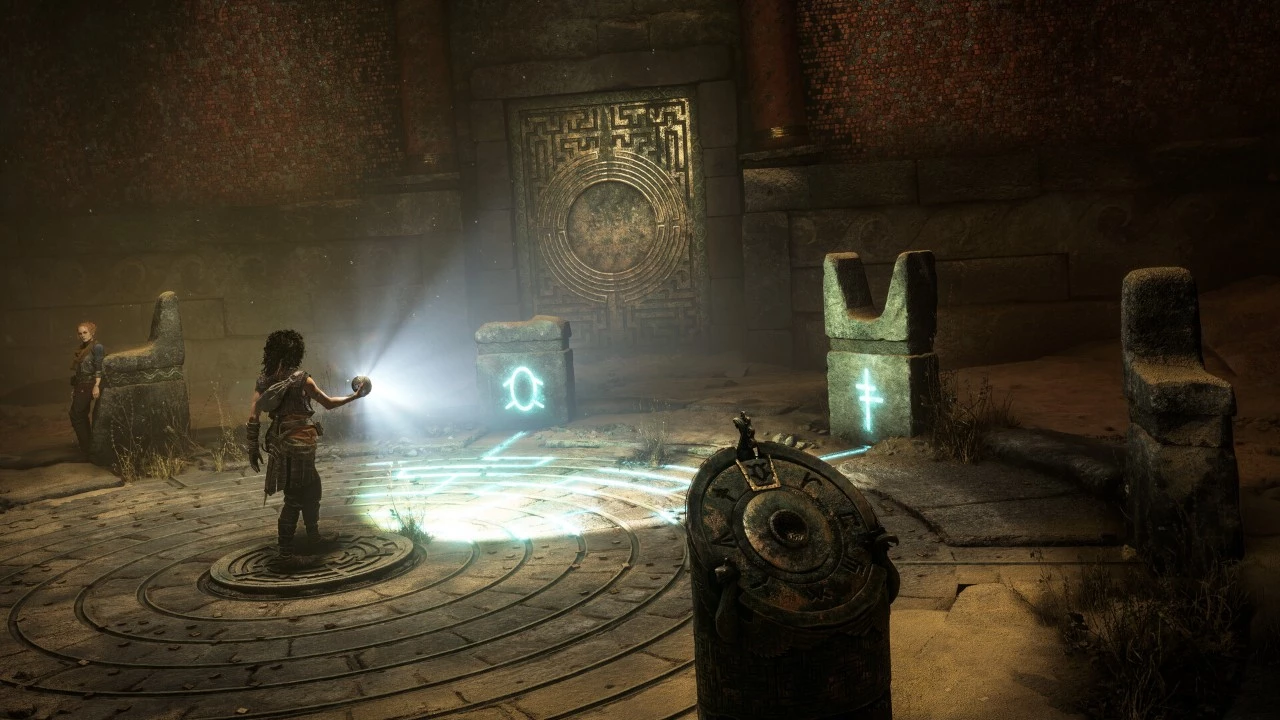
With just two weeks remaining before the official launch, French developer Asobo Studio and publisher Focus Entertainment have unveiled the complete system requirements for their upcoming action-adventure title, Resonance: A Plague Tale Legacy. In welcome news for PC gamers, the hardware demands turned out to be surprisingly modest, making the game accessible to a wide range of players with varying system configurations.
The minimum requirements call for an NVIDIA GeForce GTX 1060 or AMD equivalent, paired with 16GB of RAM and a modern quad-core processor. For those seeking the optimal experience with higher visual fidelity and smoother framerates, the recommended specifications suggest an RTX 3060 Ti or comparable AMD graphics card. These requirements indicate that Asobo has worked diligently to optimize the game for broader hardware compatibility while still delivering impressive visual quality.
A Franchise Built on Excellence
Resonance: A Plague Tale Legacy represents the third installment in the critically acclaimed A Plague Tale series, which began with the award-winning A Plague Tale: Innocence in 2019. The original title introduced players to siblings Amicia and Hugo de Rune as they navigated the horrors of 14th-century France during the Black Death. The sequel, A Plague Tale: Requiem, released in 2022, continued their harrowing journey and pushed visual boundaries with stunning environmental design and innovative rat swarm technology that rendered thousands of rodents simultaneously.
Asobo Studio, headquartered in Bordeaux, France, has established itself as one of Europe’s most versatile development teams. Beyond the A Plague Tale series, the studio is renowned for developing Microsoft Flight Simulator, showcasing their technical prowess across vastly different gaming genres. This dual expertise in both narrative-driven adventures and technically demanding simulation games has earned them significant respect within the industry.
Technical Achievements and Optimization
The relatively accessible system requirements suggest that Asobo has invested considerable effort into optimization, a crucial factor for PC gaming success. The GTX 1060, released in 2016, remains one of the most widely-used graphics cards according to Steam’s hardware surveys, meaning millions of players will be able to experience the game at minimum settings. The RTX 3060 Ti recommendation for optimal performance strikes a reasonable balance, as this card represents solid mid-range performance without demanding the latest and most expensive hardware.
Industry analysts note that reasonable system requirements can significantly impact a game’s commercial success on PC. Titles that demand cutting-edge hardware often limit their potential audience, while well-optimized games can reach broader markets. Focus Entertainment appears to have learned from past experiences, ensuring that A Plague Tale Legacy will run smoothly across a spectrum of gaming systems without sacrificing the atmospheric visuals that defined its predecessors.
What Players Can Expect
While specific plot details remain under wraps, the Legacy subtitle suggests a continuation or evolution of the de Rune family story that captivated millions of players worldwide. The previous games were praised for their emotional storytelling, innovative stealth mechanics, and the terrifying yet mesmerizing rat swarms that served as both obstacle and weapon. Fans anticipate that Resonance will build upon these foundations while introducing new gameplay elements and narrative surprises.
The game’s release comes at a competitive time in the gaming calendar, but the established fanbase and critical acclaim of the series position it well for success. With accessible hardware requirements ensuring maximum player accessibility, Resonance: A Plague Tale Legacy appears poised to deliver another memorable chapter in one of gaming’s most atmospheric franchises.
Expert Opinion: Asobo Studio’s decision to maintain accessible system requirements demonstrates smart market awareness, particularly as GPU prices remain elevated globally. By targeting the GTX 1060 as minimum spec, they’re ensuring the game reaches the largest possible PC audience while the RTX 3060 Ti recommendation suggests meaningful visual improvements for those with newer hardware. This optimization-focused approach could set a positive precedent for other AAA developers prioritizing accessibility over pure graphical excess.