



Thomas Mahler, the head of Moon Studios, has officially denied rumors circulating online about the development of a third installment in the beloved Ori franchise. The studio founder characterized these reports as complete fabrication, putting to rest speculation that had been building among the gaming community in recent weeks. The statement comes as a disappointment to many fans who had hoped the critically acclaimed platformer series would continue with another chapter.
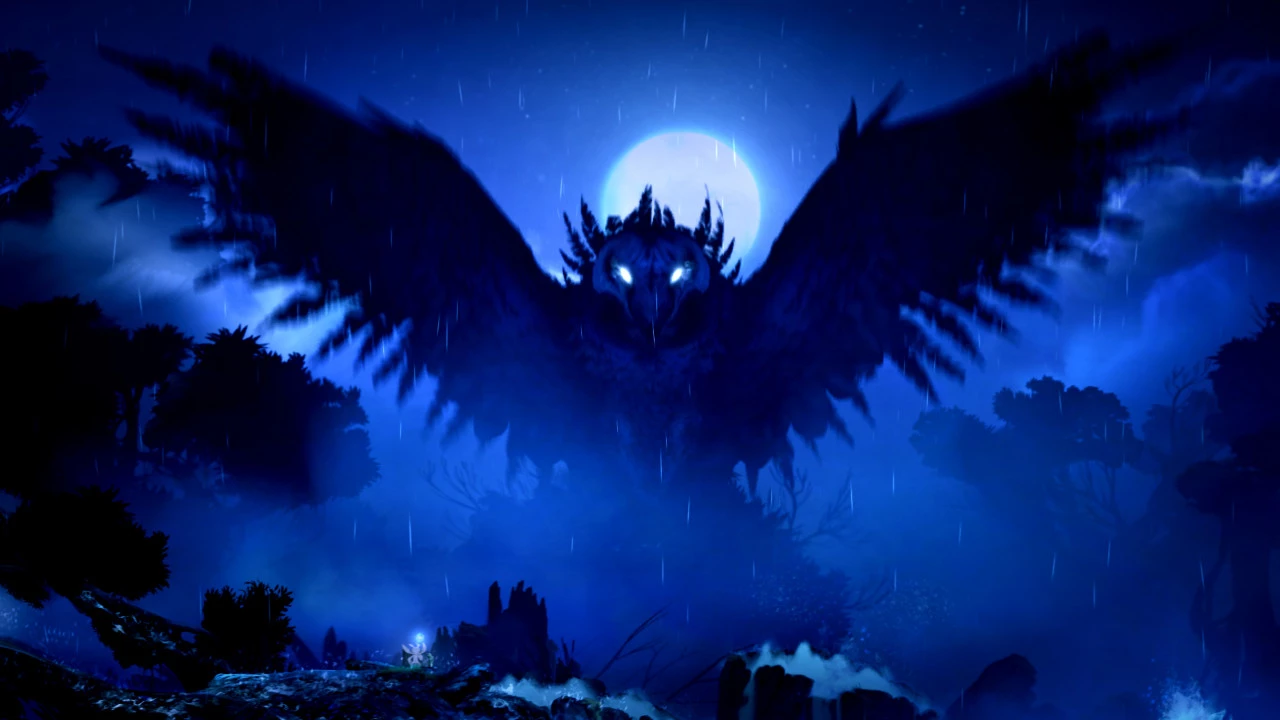
The Ori series has become one of the most celebrated indie game franchises of the past decade. The first game, Ori and the Blind Forest, launched in 2015 to widespread critical acclaim, praised for its stunning hand-painted visuals, emotionally resonant storytelling, and challenging yet rewarding gameplay mechanics. The title won numerous awards and established Moon Studios as a developer capable of creating experiences that rivaled major studio productions in terms of polish and emotional depth.
The Legacy of the Ori Franchise
The sequel, Ori and the Will of the Wisps, arrived in 2020 and expanded upon everything that made the original special. With enhanced combat mechanics, larger environments, and an even more emotionally powerful narrative, the game received near-universal praise from critics and players alike. It maintained the series’ signature aesthetic of breathtaking artistic design combined with precise, responsive controls that made exploration and platforming deeply satisfying. The game’s ending, however, provided what many considered a definitive conclusion to the story of Ori and the forest spirits.
Moon Studios, founded by Thomas Mahler and Gennadiy Korol, has been relatively quiet about their future projects since completing Will of the Wisps. The studio has previously indicated interest in exploring new creative directions rather than continuing to expand existing franchises indefinitely. This philosophy of artistic integrity over commercial repetition has earned them respect within the industry, even as it sometimes disappoints fans hoping for more content in beloved universes.
Industry Context and Fan Reactions
The rumor mill in the gaming industry often produces unfounded speculation, particularly regarding popular franchises that have seemingly concluded. Similar false reports have plagued other beloved series, creating cycles of hope and disappointment among dedicated fan communities. Mahler’s direct and unambiguous denial helps prevent such speculation from spiraling further, though it may not fully satisfy those hoping the studio might eventually return to the Ori universe.
The gaming community’s response to Mahler’s statement has been mixed. While some fans expressed understanding and support for the studio’s creative decisions, others voiced disappointment that the rumors proved unfounded. Many have called for Moon Studios to share information about whatever project they are currently developing, hoping that even if it isn’t Ori 3, it will showcase the same level of artistry and craftsmanship that defined their previous work. The studio has remained characteristically tight-lipped about their current endeavors, maintaining an air of mystery that only fuels further speculation.
Looking to the Future
Whatever Moon Studios chooses to pursue next, the legacy of the Ori series remains secure as one of the defining achievements of indie game development. The franchise demonstrated that smaller studios could create experiences with emotional resonance and technical excellence comparable to any major release. For now, fans will have to content themselves with the two existing Ori games while waiting to see what new creative vision Mahler and his team will unveil when they’re ready to share it with the world.
Expert Opinion: While the denial of Ori 3 may disappoint fans, Moon Studios’ approach reflects a healthy trend in the industry where creators prioritize artistic vision over franchise exploitation. The studio’s willingness to move beyond proven commercial success suggests their next project, whatever it may be, will likely bring fresh innovation rather than iterative sequels. This creative independence is increasingly rare and valuable in today’s gaming landscape.