




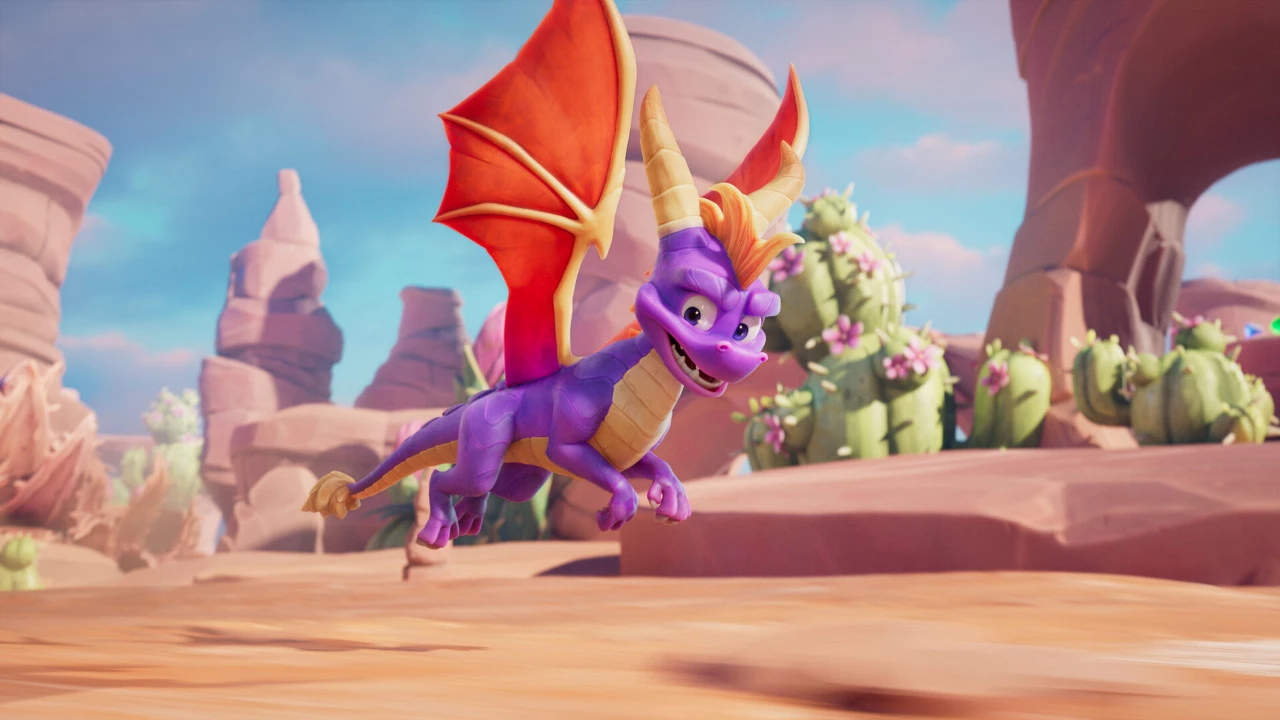
The beloved purple dragon Spyro is finally preparing to soar back onto gaming screens with a brand new title scheduled for release in early next year. However, the journey to bring this iconic character back to life has been anything but smooth, with the development process facing numerous significant challenges that tested the resolve of everyone involved. After nearly two decades without a mainline entry, fans of the franchise are eagerly anticipating what promises to be a nostalgic yet fresh adventure.
Spyro the Dragon first burst onto the gaming scene in 1998, created by Insomniac Games exclusively for the Sony PlayStation. The original trilogy quickly became one of the most successful platforming franchises of its era, competing directly with other mascot-driven games like Crash Bandicoot and Banjo-Kazooie. The charming purple dragon with his fiery breath and gliding abilities captured the hearts of millions of players worldwide, selling over 20 million copies across the original three games alone.
The Long Road to Revival
The path to bringing Spyro back has been complicated by multiple factors that plagued the development process. Sources close to the project indicate that scaling the game’s ambitions to meet modern expectations while preserving the nostalgic charm of the original titles proved to be an enormous technical and creative challenge. The development team reportedly went through several iterations of the game concept, with early prototypes being scrapped entirely as they failed to capture the essence of what made Spyro special.
Industry analysts suggest that the 18-year gap between mainline Spyro titles created unique difficulties. Modern gaming audiences have vastly different expectations compared to those in the late 1990s and early 2000s. Today’s players demand open-world exploration, sophisticated graphics, and complex gameplay mechanics, while longtime fans of the series want the simplicity and accessibility that defined the original games. Balancing these competing demands required careful consideration and multiple development restarts.
Learning from the Reignited Trilogy
The 2018 release of the Spyro Reignited Trilogy, developed by Toys for Bob, provided valuable lessons for the current project. The remastered collection of the original three games was both a critical and commercial success, demonstrating that there was still substantial appetite for Spyro content among gamers. However, even that project faced its own challenges, including a controversial decision to require a day-one patch to access the full content and criticism over some of the redesigned character models.
The success of the Reignited Trilogy ultimately helped greenlight the new project, but it also raised the stakes considerably. Developers had to ensure that the new game would honor the legacy established by both the original titles and the successful remaster while also pushing the franchise forward in meaningful ways. This delicate balancing act contributed to the extended development timeline and the various difficulties encountered along the way.
The Broader Context of Gaming Revivals
Spyro’s return is part of a larger trend in the gaming industry where publishers are increasingly looking to revive beloved franchises from the past. Similar revivals have seen mixed results, with some like the Crash Bandicoot series experiencing tremendous success while others have struggled to recapture their former glory. The key to success appears to lie in understanding what made the original games resonate with players while adapting those elements for contemporary audiences.
The gaming industry has changed dramatically since Spyro’s heyday. Development costs have skyrocketed, with AAA titles now requiring budgets of hundreds of millions of dollars and teams of hundreds or even thousands of developers. For a franchise like Spyro, which was originally created by a relatively small team at Insomniac Games, scaling up to meet modern production standards presents both opportunities and risks. The upcoming title represents a significant investment and a calculated bet that nostalgia combined with quality gameplay can still drive commercial success in today’s competitive market.
Expert Opinion: The lengthy development cycle and scaling challenges facing Spyro reflect a broader industry tension between preserving beloved IP integrity and meeting modern gaming standards. If successful, this revival could establish a blueprint for other dormant mascot franchises, potentially triggering a new wave of 3D platformer revivals. However, the project’s troubled development history suggests the final product will need to be exceptional to justify the extended wait and recoup what has likely been a substantial investment.