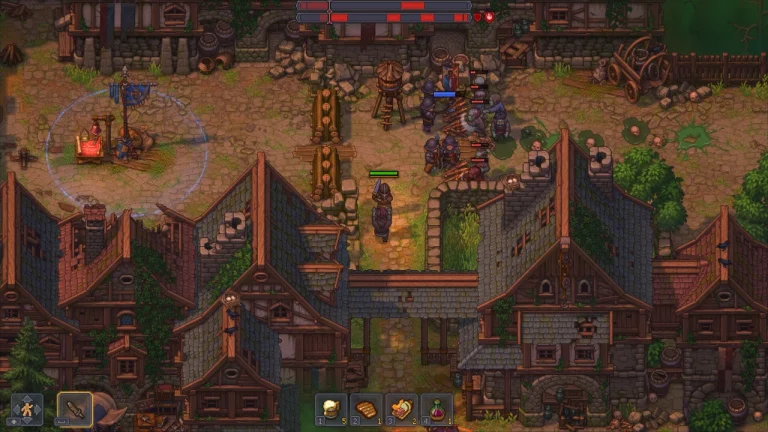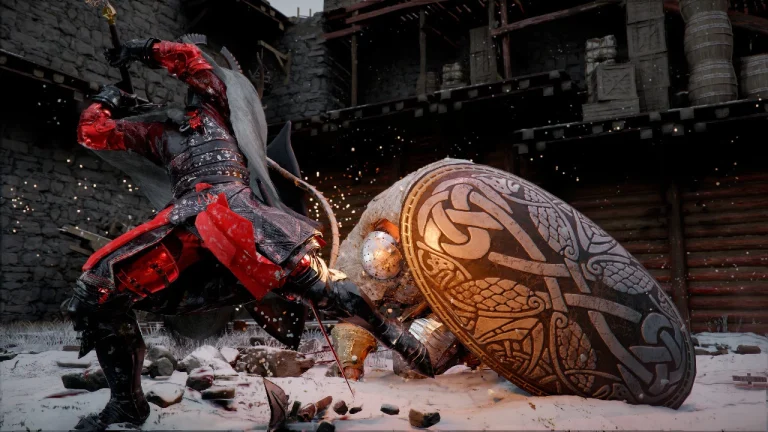





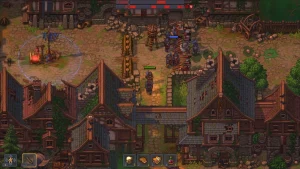
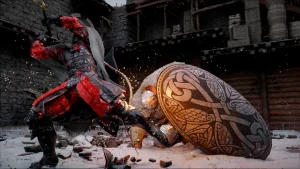


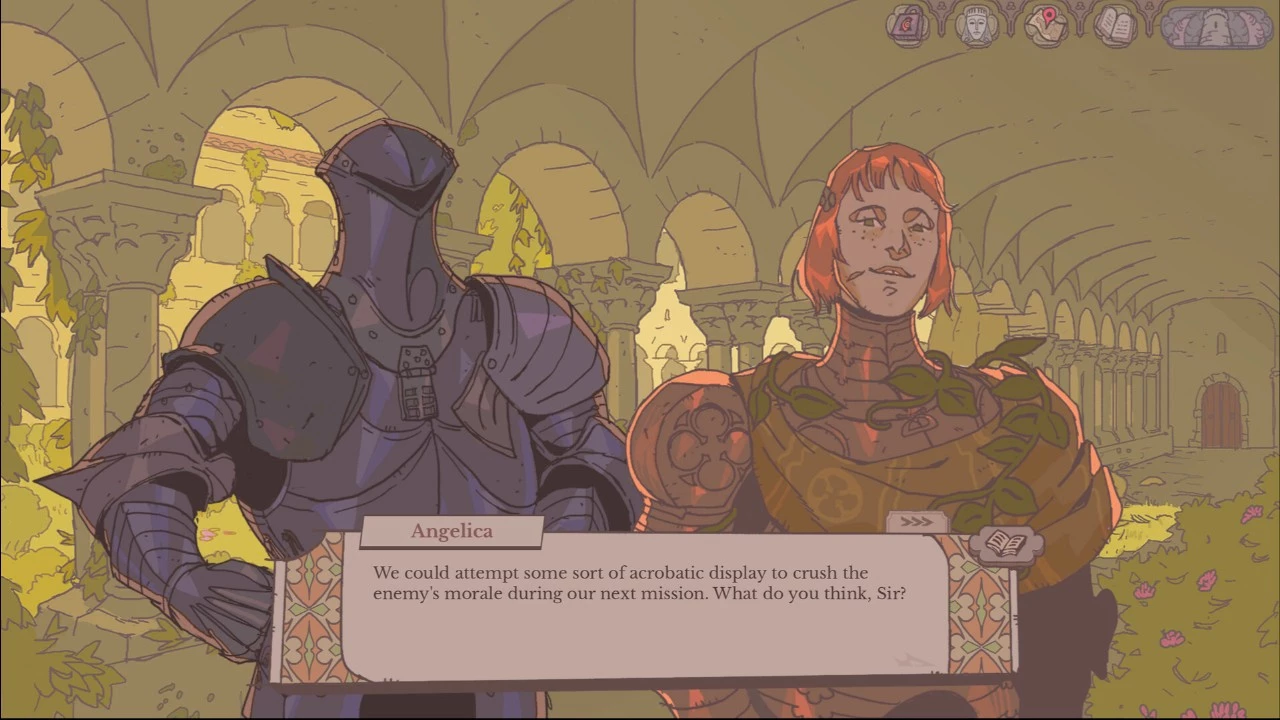
Sovereign Tower has finally arrived on Steam, opening the doors of its magical fortress to players worldwide. This highly anticipated indie title puts players in the role of a ruler tasked with managing a mystical tower, gathering eccentric knights around a Round Table, and making critical decisions that may not always end well on the first attempt. The game’s unique combination of tower management, strategic decision-making, and time manipulation mechanics has caught the attention of the gaming community, promising a fresh take on the management simulation genre.
The premise of Sovereign Tower draws heavily from Arthurian legend, reimagining the classic Round Table concept within a fantasy tower defense framework. Players must recruit and manage a diverse cast of knights, each with their own personalities, abilities, and quirks. These characters aren’t your typical heroic warriors — the developers have emphasized that the knights are deliberately “strange,” adding an element of dark humor and unpredictability to the proceedings. Building relationships with these characters and understanding their strengths and weaknesses becomes crucial to successfully managing the tower and surviving the challenges ahead.
Time Manipulation as a Core Mechanic
What sets Sovereign Tower apart from other management games is its innovative time rewind feature. The developers have acknowledged that many decisions in the game carry severe consequences — sometimes fatal ones. Rather than forcing players to reload saves or start over, the game integrates time manipulation as a core gameplay element. When a decision leads to disaster, players can rewind time and try different approaches, learning from their mistakes and discovering optimal paths through the narrative. This mechanic not only reduces frustration but also encourages experimentation and exploration of different storylines.
The time manipulation system has been compared to games like Prince of Persia: The Sands of Time and Braid, which pioneered the concept of rewinding mistakes in real-time. However, Sovereign Tower applies this mechanic to strategic decision-making rather than action platforming, creating a more contemplative experience where players can carefully consider the ramifications of their choices. This design philosophy reflects a growing trend in indie game development toward more forgiving gameplay that still maintains meaningful consequences.
A Growing Indie Game Trend
Sovereign Tower’s release comes during an exciting period for indie games on Steam, where unique concepts and innovative mechanics often find enthusiastic audiences willing to support creative developers. The tower management genre itself has seen various interpretations over the years, from the classic Dungeon Keeper series to more recent titles like Frostpunk, which challenged players with difficult moral choices in harsh environments. Sovereign Tower appears to blend elements from multiple genres, combining the base-building satisfaction of tower management with the narrative weight of choice-driven adventures.
The game’s visual style and atmosphere have also garnered attention, featuring what appears to be a hand-crafted aesthetic that emphasizes the magical and somewhat whimsical nature of its world. This artistic direction helps distinguish it from more serious fantasy management titles, suggesting a game that doesn’t take itself too seriously while still offering deep strategic gameplay. Early player reactions on Steam forums have highlighted the game’s unique charm and the satisfaction of discovering how different decisions play out across multiple timeline attempts.
What Players Can Expect
For those interested in trying Sovereign Tower, the game promises hours of replayable content as players discover new narrative branches, unlock different knights, and optimize their tower management strategies. The combination of permanent consequences and time rewind mechanics creates an interesting tension — knowing you can undo mistakes while still feeling the weight of each decision. The Round Table mechanic serves as both a narrative device and a management interface, where the assembled knights provide advice, argue among themselves, and react to the player’s leadership style.
The Steam release marks the culmination of significant development effort from the team behind Sovereign Tower. While specific details about the studio remain limited, the game represents another example of how indie developers continue to push boundaries and explore unconventional game design concepts. Whether Sovereign Tower will become a sleeper hit remains to be seen, but its unique premise and mechanics position it as one of the more intriguing indie releases of the current season.
Expert Opinion: Sovereign Tower represents an interesting evolution in the management simulation genre, combining consequence-driven gameplay with forgiving time mechanics that could appeal to both hardcore strategists and casual players. The integration of Arthurian themes with tower management creates a distinctive identity that may help it stand out in Steam’s crowded marketplace. If the execution matches the ambitious concept, this title could establish a new subgenre of “narrative management” games where story and strategy are equally weighted.