









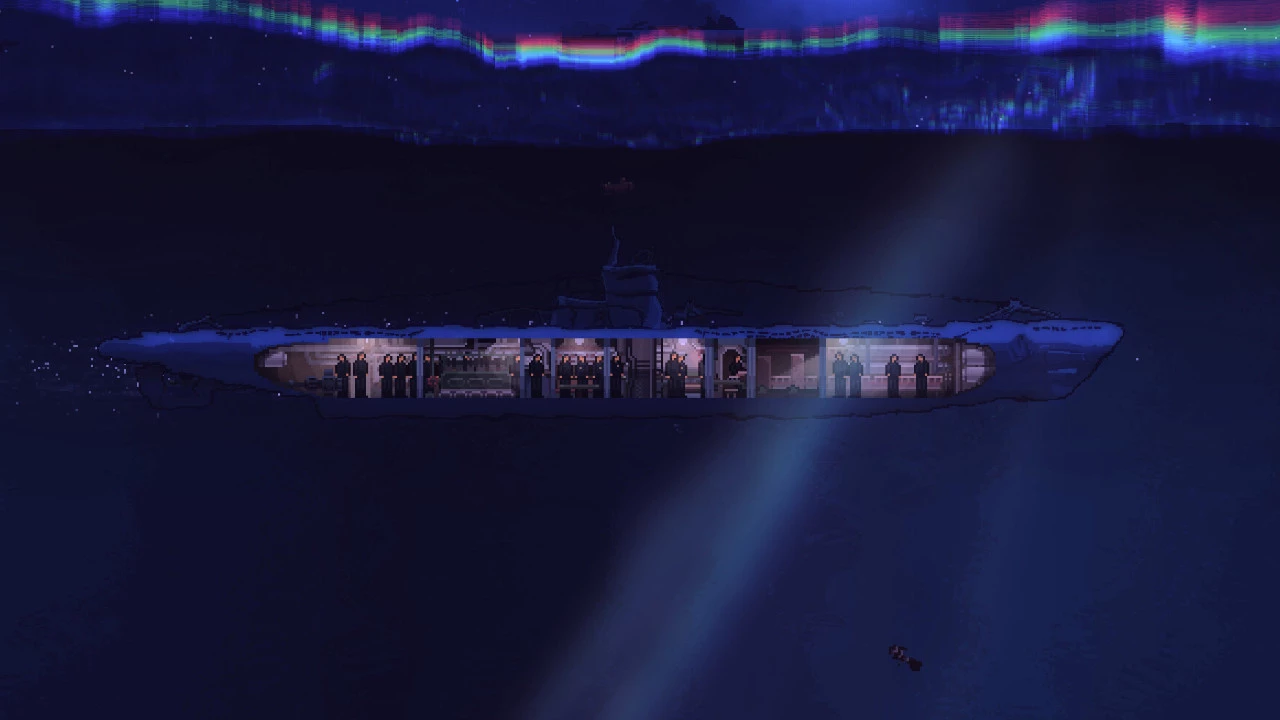
A new adventure thriller has emerged from the depths of indie game development, promising to deliver an intense narrative experience unlike anything seen before. False Echo has been officially announced, drawing immediate comparisons to the critically acclaimed Papers, Please. This upcoming title places players aboard a submarine during wartime, where every decision carries weight and consequences that ripple throughout the entire conflict. The game represents a bold new entry in the growing genre of morally complex decision-making games that challenge players to think carefully about the implications of their choices.
A New Standard in Choice-Driven Gameplay
False Echo appears to be building upon the foundation laid by Lucas Pope’s groundbreaking 2013 title Papers, Please, which revolutionized how players think about mundane tasks and moral responsibility. In that landmark game, players assumed the role of an immigration inspector in a dystopian Eastern Bloc country, making life-or-death decisions about who could enter the nation. The game earned widespread critical acclaim and numerous awards for its innovative approach to storytelling through gameplay mechanics. False Echo seems poised to take this concept to new depths — quite literally — by confining players to the claustrophobic environment of a military submarine.
The submarine setting offers unique narrative possibilities that few games have fully explored. The isolated, pressure-cooker atmosphere of underwater warfare creates natural tension and raises the stakes of every interaction. Historical submarine conflicts, from World War II’s Battle of the Atlantic to Cold War cat-and-mouse games between nuclear powers, have provided endless material for films, books, and now interactive entertainment. The developers appear to be tapping into this rich vein of dramatic potential, creating scenarios where players must navigate both the physical dangers of submarine warfare and the moral complexities of command decisions.
The Evolution of Moral Choice in Gaming
The announcement of False Echo comes at a time when narrative-driven games focusing on ethical dilemmas are experiencing a renaissance. Following the success of Papers, Please, numerous titles have attempted to capture that same sense of moral weight in player decisions. Games like This War of Mine, which depicted civilian survival during wartime sieges, and Orwell, which explored government surveillance ethics, have demonstrated that players are hungry for experiences that challenge them intellectually and emotionally. False Echo joins this distinguished lineage, promising that each choice made by the player will have tangible effects on the broader war effort and the fates of individuals caught in the conflict.
What sets submarine-based narratives apart is the inescapable nature of the environment. As the announcement’s title suggests — “no escape from the submarine” — players will be forced to live with their decisions and their crewmates in ways that surface-based games cannot replicate. This confinement amplifies every choice, every relationship, and every consequence. The psychological pressure of submarine duty has been well-documented throughout naval history, with crews spending months underwater in cramped conditions while facing constant danger. Game developers have increasingly recognized that such extreme environments provide perfect settings for exploring human nature under pressure.
What Players Can Expect
While specific gameplay details remain limited following the initial announcement, the comparison to Papers, Please suggests players can expect a careful balance of routine tasks and critical decisions. The original inspiration game masterfully transformed the mundane act of checking documents into a tense moral minefield. False Echo will likely employ similar techniques, turning the daily operations of submarine life into opportunities for meaningful choice. Whether players will be managing crew morale, deciding which targets to engage, or determining the fate of survivors encountered at sea, the promise is clear: every action matters in the larger context of the war.
The indie game development scene continues to prove that innovative concepts often emerge from smaller studios willing to take creative risks. False Echo represents exactly this kind of ambitious vision — taking proven gameplay concepts and transplanting them into fresh, unexplored territory. As players await more details about release dates, platforms, and specific features, the initial announcement has already generated significant buzz among fans of narrative-driven games. The combination of historical warfare themes, psychological tension, and meaningful player agency suggests False Echo could become the next benchmark in choice-driven gaming experiences.
Expert Opinion: False Echo’s submarine setting represents a masterful evolution of the moral choice genre, as the claustrophobic environment naturally intensifies every decision’s emotional weight. If the developers successfully capture the psychological authenticity of underwater warfare while maintaining the mechanical elegance of Papers, Please, this title could redefine player expectations for consequence-driven narratives. The game arrives at an ideal moment when audiences increasingly seek meaningful interactive experiences over superficial entertainment.