
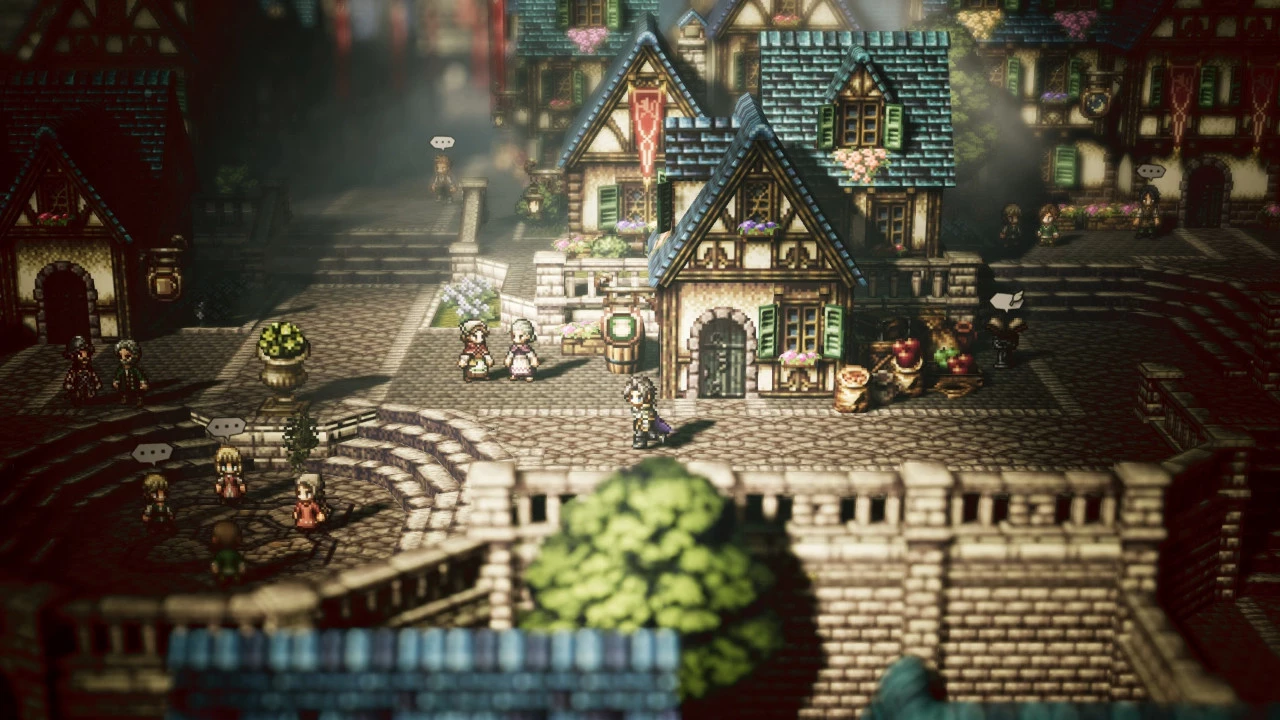
Square Enix has unveiled enhanced versions of both Octopath Traveler games for Nintendo’s upcoming Switch 2 console, but what should have been exciting news for JRPG enthusiasts has quickly transformed into a public relations nightmare. The Japanese gaming giant announced that owners of the original Nintendo Switch versions will not receive any upgrade discount or free enhancement patch, meaning fans must repurchase both titles at full retail price to experience the improved versions. This decision has ignited a firestorm of criticism across gaming communities worldwide, with longtime supporters of the franchise expressing feelings of betrayal and frustration.
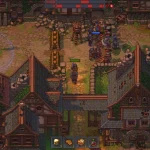
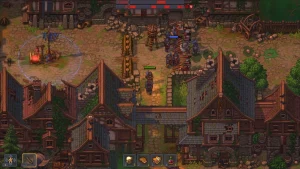
The Octopath Traveler series, which debuted in 2018, revolutionized the JRPG genre with its innovative “HD-2D” visual style that brilliantly combined retro 16-bit pixel art with modern lighting effects, depth of field, and three-dimensional environments. The original game was developed by Square Enix in collaboration with Acquire and became a surprise commercial success, selling over three million copies worldwide. Its sequel, Octopath Traveler II, launched in February 2023 to critical acclaim, refining the formula with improved storytelling mechanics and expanded gameplay features. Both titles have cultivated a dedicated fanbase who appreciate the games’ nostalgic aesthetic combined with deep turn-based combat systems.
The Pricing Controversy Explained
The controversy centers on Square Enix’s decision to treat the Switch 2 versions as entirely new products rather than enhanced editions of existing games. While other publishers have increasingly offered free upgrade paths or discounted pricing for customers who already own previous-generation versions, Square Enix has opted for a different approach. Players who invested in the original releases—often at launch prices of $59.99 each—are now expected to pay full price again for what appears to be graphical and performance enhancements rather than substantial new content. This stands in stark contrast to industry trends established by companies like CD Projekt Red, which offered free next-generation upgrades for The Witcher 3, and Sony’s PlayStation Studios, which frequently provide upgrade options for returning customers.
Gaming analysts suggest this pricing strategy may reflect the significant investment required to optimize games for new hardware, particularly given the Switch 2’s reportedly enhanced capabilities. However, consumer advocates argue that loyal customers who supported these titles from day one deserve better treatment. The situation is further complicated by the fact that many Octopath Traveler fans purchased both games specifically for the Nintendo Switch ecosystem, creating a sense that their platform loyalty is being financially punished rather than rewarded.
Community Backlash and Industry Implications
Social media platforms and gaming forums have erupted with negative reactions since the announcement. On Twitter, Reddit, and various gaming communities, fans have organized campaigns calling for Square Enix to reconsider its pricing policy. Some users have threatened to boycott the releases entirely, while others have pointed to this decision as symptomatic of broader problems within the gaming industry regarding consumer-unfriendly practices. The hashtag criticizing Square Enix’s decision has trended in multiple regions, demonstrating the global nature of the backlash. Industry observers note that Square Enix has faced similar criticism in the past for pricing decisions, including controversies surrounding mobile game monetization and the pricing of Final Fantasy Pixel Remaster collections.
This situation arrives at a particularly sensitive time for Square Enix, which has been working to rebuild consumer trust following several high-profile setbacks in recent years. The company experienced disappointing sales for titles like Forspoken and faced criticism for its aggressive push into blockchain gaming before reversing course. The Octopath Traveler franchise had represented one of the publisher’s most reliable success stories, making this pricing controversy especially damaging to the company’s relationship with its core audience. As the Nintendo Switch 2 launch approaches, how Square Enix responds to this backlash may significantly influence both the success of these remasters and the company’s broader reputation among dedicated JRPG fans who have long supported their innovative projects.
Expert Opinion: This pricing decision reflects a growing disconnect between publisher revenue expectations and consumer value perception in the gaming industry. Square Enix risks alienating its most loyal customer base at a critical juncture when goodwill is essential for Switch 2 launch success. The company would be wise to implement at least a partial discount program for existing owners, as the short-term revenue sacrifice would likely be offset by preserved brand loyalty and positive word-of-mouth for future releases.