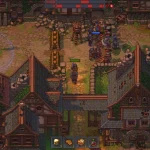
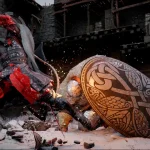



The dark fantasy genre continues to gain remarkable momentum across anime, manga, and light novel communities worldwide. Among the recent adaptations capturing audience attention, ‘Sentenced to Be a Hero: Prison Records of the 9004th Penal Hero Squad’ (Yuusha-kei ni Shosu: Choubatsu Yuusha 9004-tai Keimu Kiroku) has managed to distinguish itself through its grim setting, morally complex characters, and striking visual design. A recent interview with the creative team behind this compelling series offers fascinating insights into the artistic choices and thematic depths that have resonated so strongly with fans of darker narratives.
Key Takeaways
- The 9004th Penal Hero Squad concept reframes heroism as punishment rather than calling, with condemned criminals forced into dangerous service
- Classic manga like Berserk and Claymore directly influenced the series, though the penal squad framework offers a fresh angle on dark fantasy conventions
- Character designs required multiple iterations to balance threatening criminal elements with enough humanity for reader connection
- The kingdom’s utilitarian logic—treating dangerous prisoners as expendable assets—adds philosophical commentary on redemption and disposability
- Tight author-illustrator collaboration meant emotional beats were translated directly into visual language, from heavy shadows to muted palettes
The series takes a bold approach to the traditional hero narrative by presenting protagonists who are fundamentally broken individuals rather than shining paragons of virtue. These characters have been condemned to serve as heroes not out of noble calling, but as punishment for their crimes. This subversion of the classic hero’s journey represents a growing trend in Japanese media, where audiences increasingly seek more nuanced and psychologically complex storytelling. The creative team explained that their intention was to explore what heroism truly means when stripped of glory and reduced to a form of penal servitude.
Dark Fantasy's Deep Roots in Japanese Media
Dark fantasy as a genre has deep roots in Japanese popular culture, tracing back to influential works like Kentaro Miura’s legendary ‘Berserk,’ which began serialization in 1989. This seminal manga established many conventions that modern dark fantasy works continue to explore: morally ambiguous protagonists, brutal worlds where survival demands compromise, and the examination of human nature under extreme circumstances. ‘Sentenced to Be a Hero’ clearly draws inspiration from this tradition while carving its own distinctive path. The author revealed during the interview that classic works like ‘Berserk’ and ‘Claymore’ served as significant influences, though they aimed to bring a unique perspective through the penal squad concept.
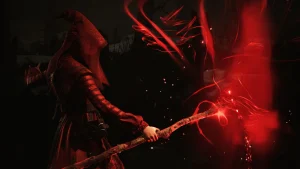
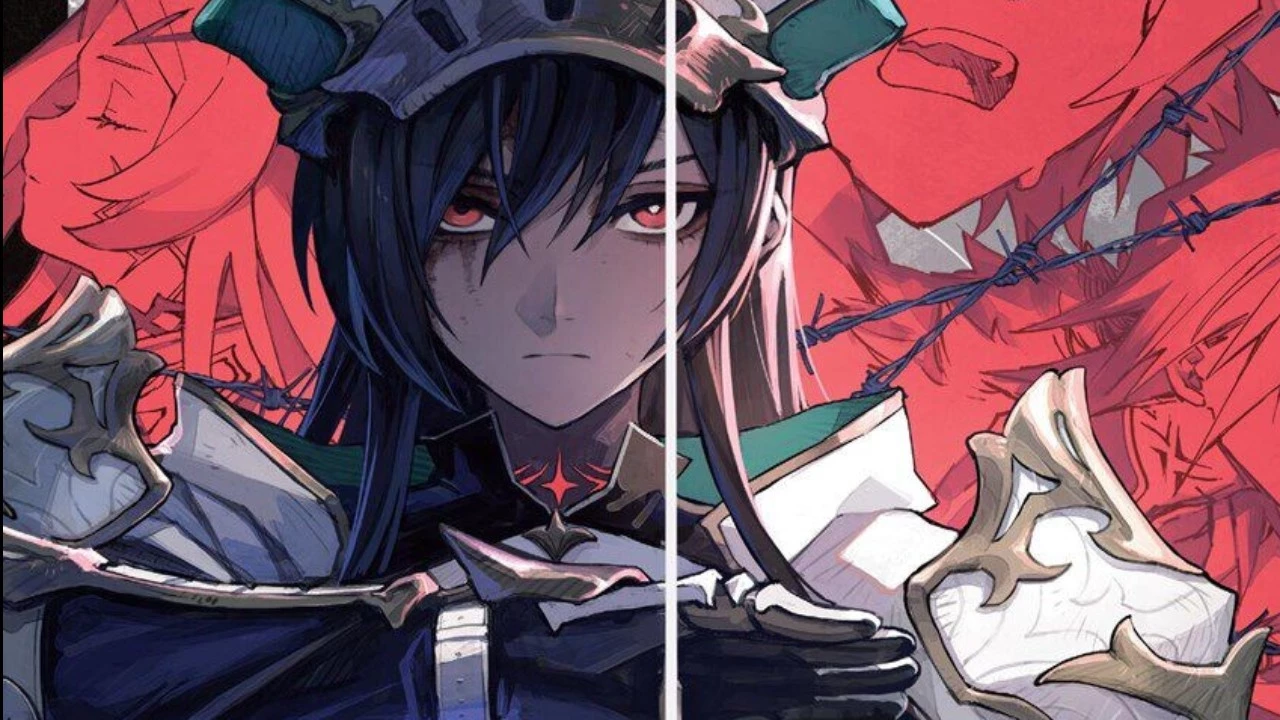
The illustrator discussed the considerable challenges involved in designing characters who must appear both threatening and sympathetic. Each member of the 9004th Penal Hero Squad carries visual markers of their criminal past while maintaining enough humanity to allow readers to connect with their struggles. This delicate balance required extensive collaboration between author and illustrator, with multiple design iterations before arriving at the final character concepts. The visual language of the series employs heavy shadows, muted color palettes, and deliberate contrasts between moments of brutal violence and unexpected tenderness.
Rethinking What It Means to Be a Hero
Contemporary audiences have shown increasing appetite for stories that challenge traditional heroic narratives. The success of works like ‘Attack on Titan,’ ‘Vinland Saga,’ and ‘Chainsaw Man’ demonstrates that readers and viewers are drawn to complex characters who exist in moral gray areas. ‘Sentenced to Be a Hero’ contributes to this ongoing deconstruction by asking provocative questions about redemption, punishment, and whether heroic acts can retain meaning when performed under coercion. The author explained that the penal squad concept emerged from contemplating how society treats individuals it deems irredeemable, and whether anyone truly exists beyond salvation.
The world-building in the series reflects these thematic concerns through its institutional structures and social hierarchies. The kingdom that sentences criminals to hero duty operates on a deeply cynical logic: dangerous individuals can be useful as expendable assets against existential threats. This commentary on utilitarian ethics and the disposability of certain populations adds philosophical weight to what might otherwise be straightforward dark fantasy action. Industry analysts have noted that such thematically rich content appeals particularly to older demographics seeking more sophisticated narratives within familiar genre frameworks.
How Author and Artist Built This World Together
The illustrator emphasized the importance of environmental storytelling in establishing the series’ oppressive atmosphere. Every location, from the penal facilities to the monster-infested territories where heroes are deployed, communicates information about the world’s harsh realities. The creative team described their collaborative process as unusually integrated, with the author providing detailed descriptions of emotional beats and thematic elements that the illustrator then translated into visual language. This tight partnership has resulted in a work where text and image reinforce each other in ways that elevate the overall narrative impact.
Looking forward, the success of ‘Sentenced to Be a Hero’ suggests continued strong demand for dark fantasy content that prioritizes character complexity over simple good-versus-evil conflicts. The anime adaptation has introduced the series to broader audiences, potentially inspiring similar projects that explore the darker corners of heroic mythology. Both creator and illustrator expressed gratitude for the passionate fan response and hinted at future developments that would further explore the psychological landscapes of their broken heroes. As the genre continues evolving, works like this demonstrate that audiences hunger for stories acknowledging the shadows within heroism itself.
Where This Fits in the Shifting Fantasy Landscape
The interview reveals how deliberately Sentenced to Be a Hero positions itself within a lineage stretching back to Berserk’s 1989 debut. That creative team openly cites Miura’s work signals confidence that audiences now expect this kind of pedigree acknowledgment—dark fantasy has become a recognized tradition rather than a niche curiosity.
What sets this project apart is the institutional framing. Rather than a lone antihero wandering through grimdark landscapes, the penal squad concept forces questions about systems: who decides someone is irredeemable, and what does it mean to perform heroism under coercion? This adds a layer that pure action-focused dark fantasy often lacks.
The commercial success and anime adaptation suggest publishers are paying attention. Older demographics seeking psychological complexity within genre frameworks represent a growing market segment. Expect more projects that interrogate heroic mythology rather than simply darkening its surface aesthetics.
Watch for whether the creative team’s unusually integrated collaboration model—author providing emotional beats, illustrator translating them directly—becomes a template. That approach produced notably cohesive visual storytelling, and other adaptations may attempt similar partnerships.
Common Questions
What is Sentenced to Be a Hero about?
The series follows the 9004th Penal Hero Squad, condemned criminals forced to serve as heroes as punishment for their crimes. Rather than noble champions, these protagonists are fundamentally broken individuals fighting in monster-infested territories as expendable assets for a cynical kingdom.
What influenced the dark fantasy style of Sentenced to Be a Hero?
The author cited Berserk and Claymore as significant influences. The series shares their conventions—morally ambiguous protagonists, brutal survival scenarios, psychological complexity—while the penal squad concept provides a distinctive framework for exploring redemption and coercion.
How did the author and illustrator work together on character designs?
Their collaboration was unusually integrated. The author provided detailed descriptions of emotional beats and thematic elements, which the illustrator translated into visual language through multiple design iterations. Characters needed to appear both threatening and sympathetic, balancing criminal markers with visible humanity.
Expert Opinion: The success of ‘Sentenced to Be a Hero’ reflects a broader maturation of the isekai and fantasy light novel market, where audiences increasingly demand psychological depth alongside action. This trend toward morally complex protagonists suggests publishers will continue greenlighting projects that subvert traditional heroic narratives, potentially reshaping the genre landscape over the next several years as creators push boundaries in exploring anti-heroic themes.