






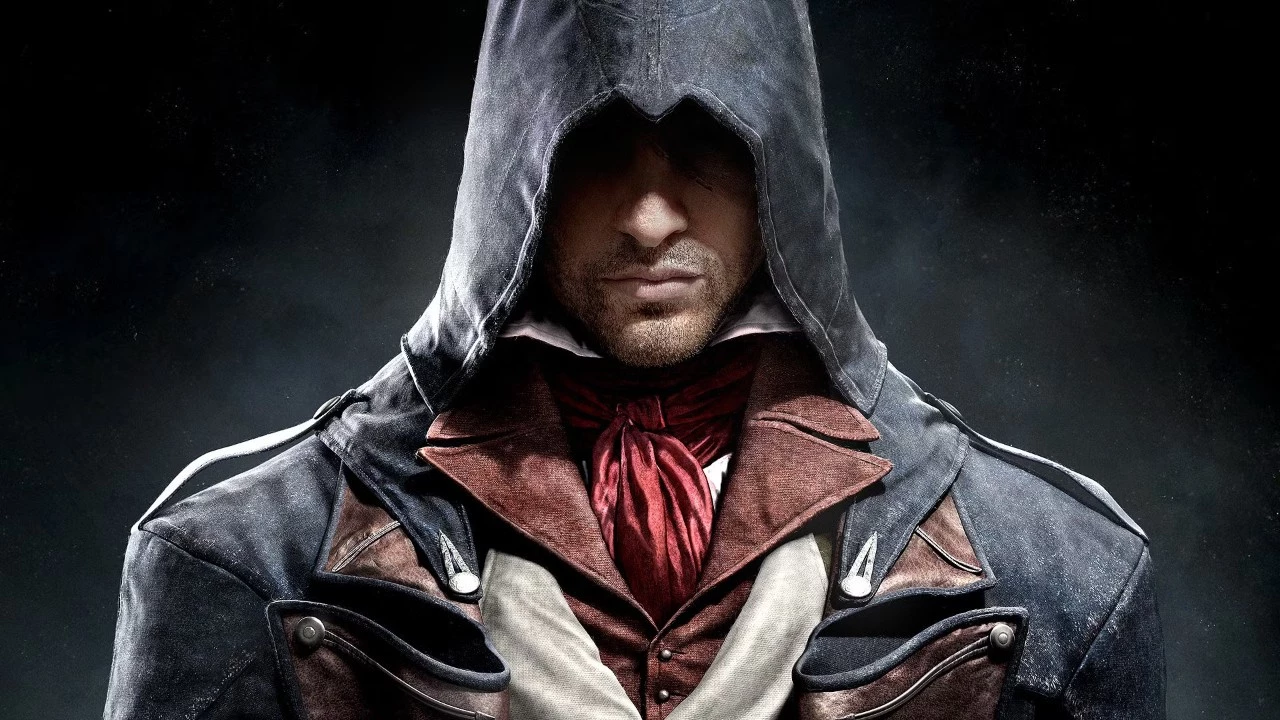
Jean Guesdon, one of the lead creators behind Assassin’s Creed Unity, has recently shared his reflections on the game’s legacy, declaring it to be one of the most underrated entries in the beloved franchise. The creative director’s comments have reignited discussion among gaming communities about whether the 2014 title deserves a second look from players who may have dismissed it during its troubled launch period.
Released in November 2014 exclusively for the then-new generation of consoles, Assassin’s Creed Unity was set against the backdrop of the French Revolution, one of the most turbulent periods in European history. Players took on the role of Arno Dorian, a young nobleman drawn into the centuries-old conflict between Assassins and Templars. The game was developed by Ubisoft Montreal with the ambitious goal of creating the most detailed and immersive Assassin’s Creed experience to date, featuring unprecedented crowd sizes and a meticulously recreated 18th-century Paris.
A Troubled Launch That Overshadowed Innovation
When Assassin’s Creed Unity first hit shelves, it was plagued by numerous technical issues that severely impacted players’ experiences. Notorious bugs included characters with missing faces, severe frame rate drops, and game-breaking glitches that prevented progression. The backlash was immediate and intense, with the game becoming a symbol of the industry’s problems with releasing unfinished products. Ubisoft faced significant criticism and eventually offered free DLC and games as compensation to affected players. This rocky debut overshadowed what many now recognize as some of the series’ most ambitious gameplay innovations.
The technical problems stemmed largely from the game’s unprecedented scope. Unity was the first Assassin’s Creed title developed exclusively for PlayStation 4, Xbox One, and PC, abandoning the previous generation entirely. This allowed developers to push boundaries in terms of visual fidelity and simulation complexity, but the aggressive development timeline meant the game shipped before it was truly ready. The crowds alone represented a massive technical achievement, with thousands of individually animated NPCs populating the streets of Paris simultaneously—a feat that strained even the most powerful hardware of the era.
Innovative Features That Set New Standards
Despite its problematic launch, Assassin’s Creed Unity introduced several groundbreaking features that would influence not only future entries in the franchise but the action-adventure genre as a whole. The game completely overhauled the parkour system, adding dedicated descent mechanics for the first time and creating a more fluid movement experience. Combat was redesigned to be more challenging and tactical, moving away from the counter-attack-focused system of previous games. The customization options were vastly expanded, allowing players to mix and match different armor pieces and weapons to create their ideal assassin build.
The recreation of revolutionary-era Paris remains one of the most impressive achievements in open-world game design. Notre-Dame Cathedral was recreated with such accuracy that historians have praised its architectural detail, and the model was even considered as a reference during the real cathedral’s restoration efforts following the 2019 fire. The seamless interiors, where players could enter buildings through windows and exit through doors without loading screens, represented a significant technical advancement that enhanced immersion considerably.
Reassessing Legacy Years Later
In the years since its release, Assassin’s Creed Unity has undergone something of a critical rehabilitation. After numerous patches addressed the technical issues, players began to appreciate the game’s unique qualities. The cooperative multiplayer mode, while no longer actively supported, offered memorable experiences for friends exploring Paris together. Many fans now argue that Unity represents a creative peak for the franchise before it transitioned to the RPG-focused formula seen in Origins, Odyssey, and Valhalla. Jean Guesdon’s recent comments echo a growing sentiment within the gaming community that Unity deserves recognition for its ambition and artistry.
The discussion around Unity’s legacy also reflects broader conversations about how games are evaluated and remembered. First impressions carry enormous weight in the gaming industry, and a troubled launch can permanently damage a title’s reputation regardless of subsequent improvements. However, the digital nature of modern games allows for redemption through updates and patches, and Unity stands as a prime example of a game that has benefited from years of post-launch support and the passage of time allowing players to experience it as originally intended.
Expert Opinion: The rehabilitation of Assassin’s Creed Unity reflects an important trend in gaming where titles are increasingly judged on their final, patched states rather than launch conditions. As the franchise continues to evolve with upcoming titles like Assassin‘s Creed Shadows, Unity’s influence on parkour mechanics and urban world design becomes more apparent, suggesting that Guesdon’s assessment may prove prophetic as gaming historians reassess the series’ evolution.