How to Spot Fake and Reproduction Retro Games Before You Buy
How to tell original retro games from reproductions and counterfeits: labels, screws, shells, circuit boards, chips, weight, boxes and too-good-to-be-true deals.
As retro games have become more popular and more expensive, the number of reproduction and counterfeit cartridges on the market has grown with them. Some are sold honestly, clearly labeled as reproductions. Others are passed off as originals, sometimes by sellers who know exactly what they are doing and sometimes by people who bought a fake themselves without realizing it.
This guide explains what reproductions and counterfeits are, the physical clues collectors use to tell them apart from originals, and the habits that protect you before you hand over money. It deliberately keeps to general, widely used checks. No single test is conclusive, and the best protection is to combine several checks with knowledge of what a genuine copy of a specific game looks like.
Reproductions, Counterfeits and Bootlegs: What’s the Difference?
The terms are often used loosely, but the distinctions matter:
- Reproduction (“repro”). A newly made copy of a game. Some people buy them knowingly to play expensive games, to play fan translations or simply to avoid risking an original. A repro is not a collectible original and should always be described as a reproduction.
- Counterfeit. A copy designed or sold to pass as an original, often with copied labels, logos and packaging. The problem is deception: a reproduction sold as an original becomes a counterfeit in practice.
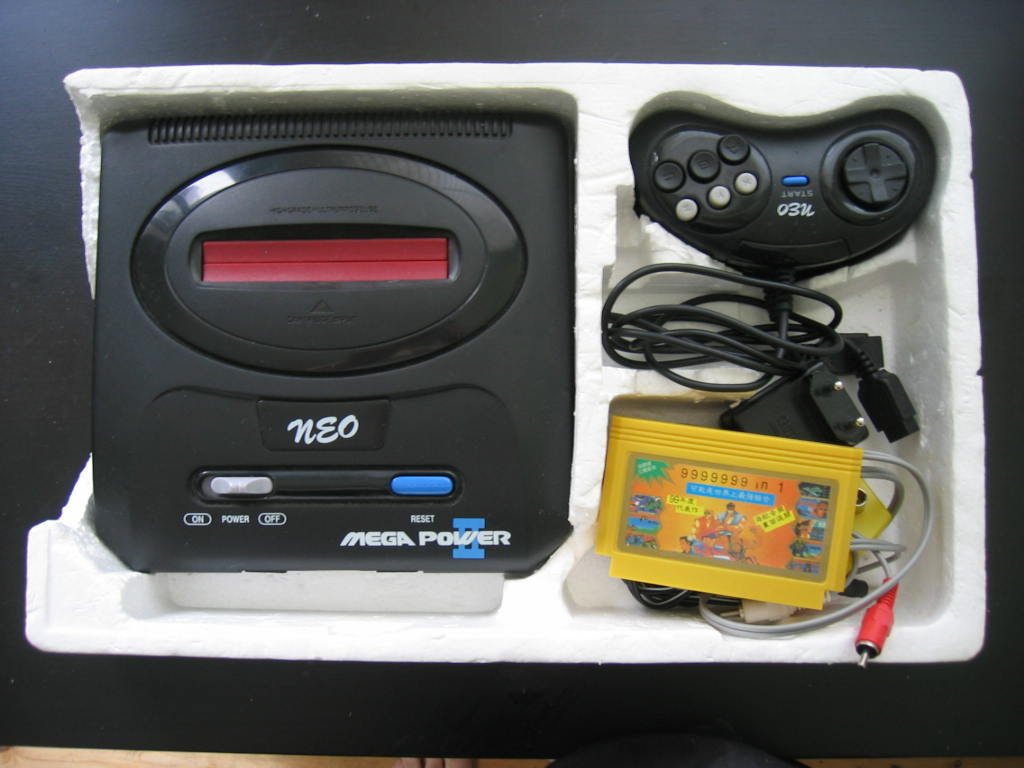
- Bootleg. An unlicensed product, sometimes made at the time of the original console’s life, such as multi-game carts or unofficial ports. Some vintage bootlegs are collected in their own right, but they are not official releases.
Copying and selling commercial games without permission raises copyright and trademark issues of its own, which is part of why responsible collectors avoid reproductions of games still under copyright. Whatever your view, the key point for buyers is simple: a reproduction has no value as an original, and paying original prices for one is a loss. Reference accounts of the collecting hobby note that fakes generally have no collectible value even though they have fooled buyers.
Start With the Price and the Listing
Before looking at the cartridge itself, look at the circumstances.
- Too good to be true. A famous, expensive game offered far below its usual market price is the classic warning sign. So is a seller with several copies of the same rare game.
- Stock or blurry photos. Ask for clear photos of the front, back, the bottom edge and, if possible, the circuit board.
- Vague descriptions. Phrases that avoid saying “original,” or that hide the word “reproduction” deep in the text, deserve extra caution.
- Location and shipping. Large numbers of identical rare games shipped from the same source should make you careful, whatever the claimed origin.
- Return policy. Reputable sellers usually accept returns for items that turn out not to be genuine. Use payment methods with buyer protection.
Before buying an expensive game, find recent sold listings and photos of a confirmed genuine copy. Knowing exactly what a real label, shell and board look like for that game makes every check below more reliable.
Check the Label
The label is often the first giveaway, because reproducing print quality exactly is difficult.
- Finish. Many original Nintendo labels have a matte finish; reproduction labels are often noticeably glossier.
- Colors. Compare against a known genuine copy. Faded, overly saturated or slightly shifted colors are a warning sign.
- Sharpness. Blurry text, pixelated artwork or fuzzy edges suggest the label was printed from a scan.
- Wrong artwork. Some fakes use box art on the cartridge label, or art from a different region’s release.
- Spelling and logos. Typos, misspelled company names or incorrectly shaped logos are strong red flags.
- Stamped codes. Many official Game Boy-family labels carry a small stamped or embossed code. Its presence is a good sign, but some genuine labels lack it, so do not rely on it alone.
- Alignment. Labels on originals are usually neatly placed in the recessed area of the shell; crooked or oversized labels are suspicious, though a genuine label could have been replaced.
Check the Shell and Screws
The plastic shell tells you a lot without opening anything.
- Branding on the back. Official Game Boy, Game Boy Color and Game Boy Advance cartridges carry Nintendo branding and, for most releases, “Made in Japan” text. Missing or incorrect text is a common tell.
- Screw type. Original cartridges for several Nintendo systems use security screws: Game Boy and Game Boy Color carts use a 3.8mm security screw, and Game Boy Advance carts use a tri-wing screw. A standard Phillips screw means the cart has been opened or is not original. It does not prove a fake, since a genuine cart may have been repaired, but it is a reason to look harder.
- Screw position. Some reproductions place the screw in a different location from the original, or have no screw at all.
- Plastic and molding. Reproduction shells may feel too shiny, too matte or slightly flimsy. Molding marks, rough edges and poorly fitting halves are warning signs.
- The bottom edge. Some reproduction carts use a cheaper circuit board that requires a different cutout or shape at the bottom of the shell.
- Fit. A cartridge that sits loosely or too tightly in the console can indicate a non-original shell.
- Inside markings. Collectors often note that the inside of original Game Boy-family shells has molded indentation marks and numbers. This requires opening the cart.
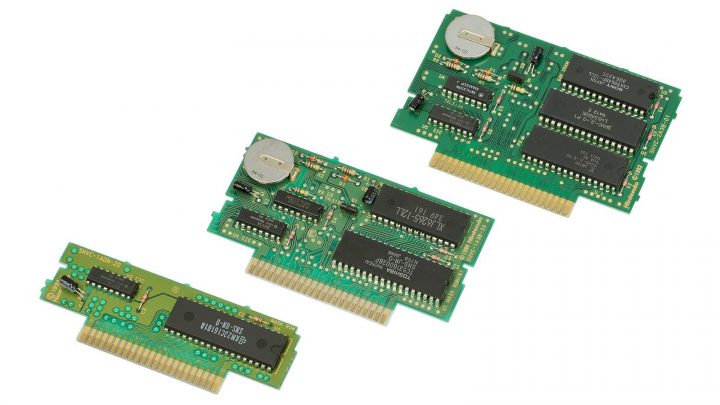
Check the Circuit Board and Chips
The most reliable physical evidence is inside. Opening a cartridge requires the right security bit, and you should only open games you own or have the seller’s permission to inspect. If you are not comfortable doing it, ask the seller for clear photos of the board, or ask a local shop.
Things collectors look for:
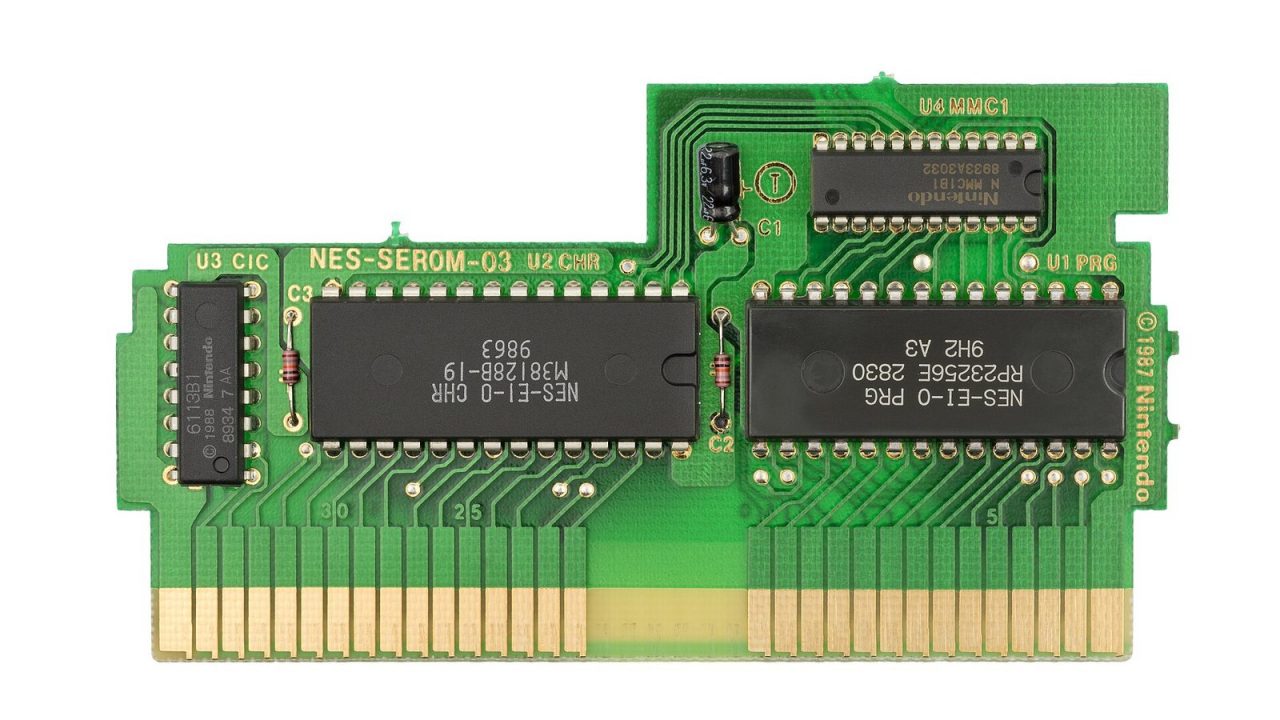
- Nintendo branding on the board. Official boards are typically marked with Nintendo’s name, correctly spelled, and with board and part codes appropriate to the game.
- “Blob” chips. A chip covered in a black epoxy blob (chip-on-board) is a strong sign of a fake on systems where official releases almost never used that construction. Be careful with this rule, because a few official boards did use it, so compare against a known genuine board for that specific game.
- Stacked or extra boards. Two boards sandwiched together, or wires and add-on boards, are not found in official games.
- Stickers inside. Official carts generally do not have stickers on the internal board.
- Odd shapes or cuts. Boards that have been trimmed to fit, or that do not sit properly in the shell, suggest a reproduction.
- Soldering quality. Messy hand soldering, flux residue or misaligned components suggest the board has been modified or built outside a factory.
- Chip markings. Look for generic or mismatched chips, or chips with dates that make no sense for the game’s release.
One important caveat: some reproductions are built using genuine shells or boards from cheap, common games, with new chips or a new label added. That is why checking several features together matters more than any single detail.
Weight, Saves and Software Clues
Some clues show up in use rather than on inspection.
- Weight. A cartridge that feels noticeably lighter or heavier than a known genuine copy may have a different board or shell.
- Save behavior. Many original games that save progress used a battery-backed memory chip. Reproductions sometimes use different save hardware, and save problems are common with fakes. A game that loses its save is not automatically fake (old batteries die), but odd save behavior combined with other warning signs is telling.
- Start-up and title screens. Some counterfeits show unusual logos, altered title screens or translation credits that never appeared in the original release.
- Verification devices. Some modern accessories that read cartridges can check whether the game data matches a known official release. These are useful but not perfect, so combine them with physical checks.
Boxes, Manuals and “Sealed” Copies
Packaging is reproduced too, sometimes to make a loose original look complete in box, sometimes to sell a reproduction as a complete original.
- Print quality and cardboard. Reproduction boxes and manuals may use the wrong cardboard thickness, wrong gloss, blurry printing or slightly wrong colors.
- Inserts. Check whether the inserts match the original release. Missing, extra or anachronistic inserts are warning signs.
- Sealed games. Reseals and fake seals are a significant concern at the high end of the market. A “sealed” copy of a rare game at a low price is almost always too good to be true. Unless you have real expertise, treat sealed rare games with great caution.
For an overview of condition terms such as loose, CIB and sealed, see our beginner’s guide to collecting retro games.
Honest Reproductions: A Legitimate Choice?
Not every reproduction is a scam. Some players buy clearly labeled reproductions to play games they cannot afford, and some collectors are fine with them on a shelf as long as everyone knows what they are. The problems begin when reproductions are resold without disclosure, which is why some collectors mark or keep a record of any reproductions they own.
There are also fully official alternatives. Many classic games are available through official re-releases, compilations and subscription services, which are covered elsewhere on this site. Emulation of games you have not legitimately obtained raises legal problems, as explained in our article on whether emulation is legal.
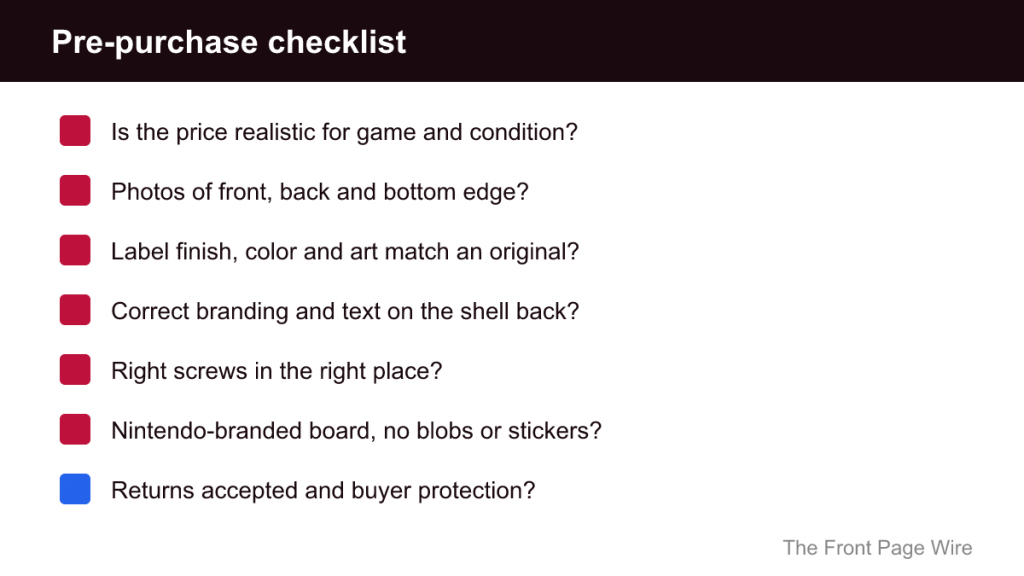
A Quick Pre-Purchase Checklist
- Is the price realistic for this game and condition?
- Do the photos show the front, back and bottom edge clearly?
- Does the label finish, color and art match a confirmed original?
- Is the correct branding and text on the back of the shell?
- Are the screws the correct type and in the right place?
- If the board is visible, is it Nintendo-branded with no blobs, stacked boards or internal stickers?
- Does the seller accept returns, and are you paying with buyer protection?
If you discover that you have bought a counterfeit, contact the seller first; reputable sellers will usually take it back. If an item was misrepresented, payment and marketplace dispute processes exist for that purpose.