Console History
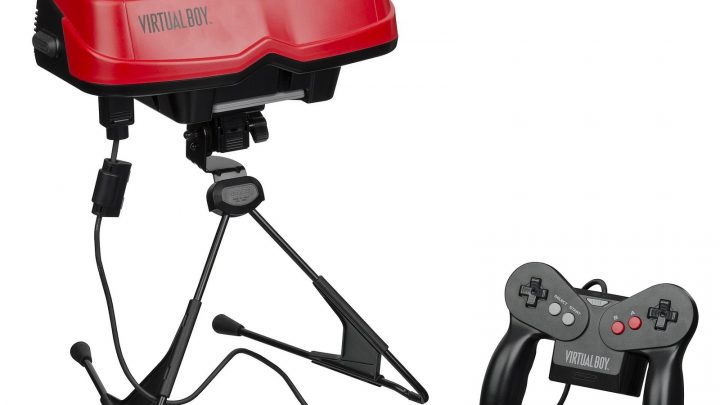
The Virtual Boy: Nintendo’s 3D Experiment and Why It Failed
Nintendo's red-and-black 3D console lasted barely a year. How the Virtual Boy worked, why it failed and why collectors find it fascinating today.
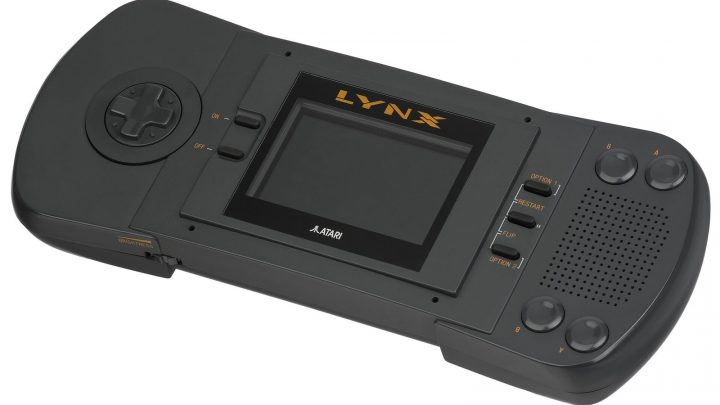
The Lynx, Game Gear and TurboExpress all had color screens. The gray-green Game Boy still won. Here is how the first handheld war played out.
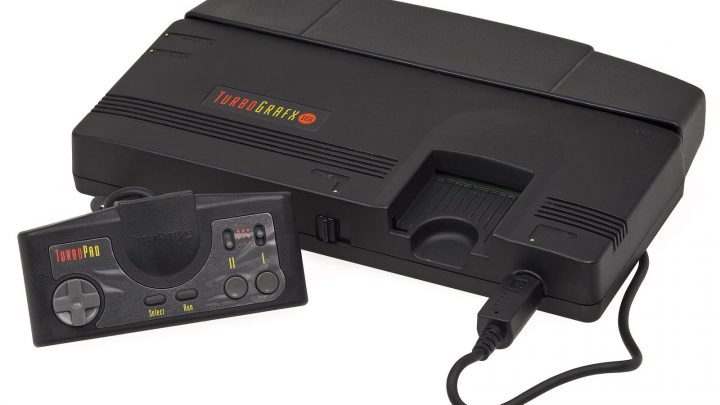
NEC and Hudson Soft's PC Engine was a hit in Japan and pioneered CD-ROM games. Here is why its American twin, the TurboGrafx-16, struggled.
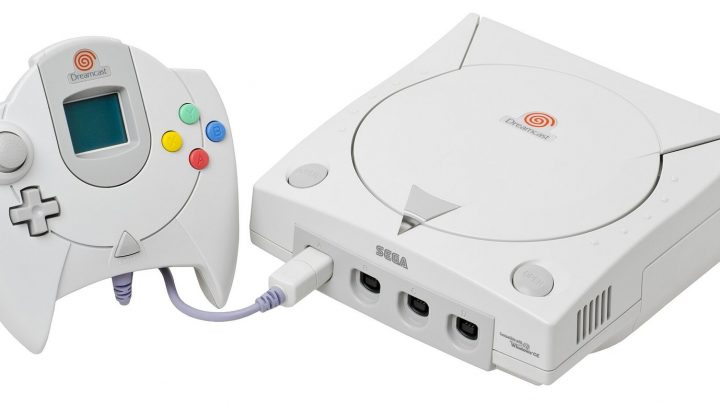
From the 9.9.99 launch to Sega's 2001 exit from hardware: how the Dreamcast pioneered console online play and why it still has devoted fans.
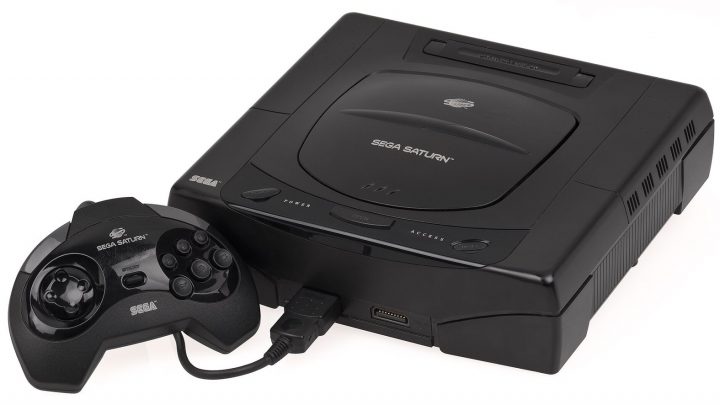
How the Sega Saturn's complex dual-CPU design, surprise E3 1995 launch and retailer fallout hurt it in the West while it thrived in Japan.
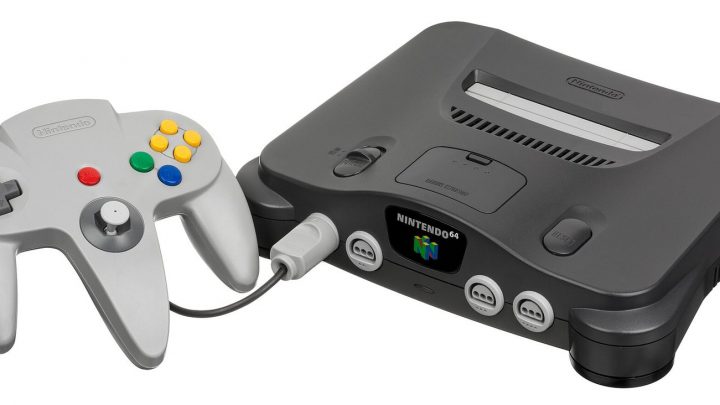
How the Nintendo 64 pioneered the analog stick and rumble, why its cartridges cost it third-party support, and what became of the Japan-only 64DD.
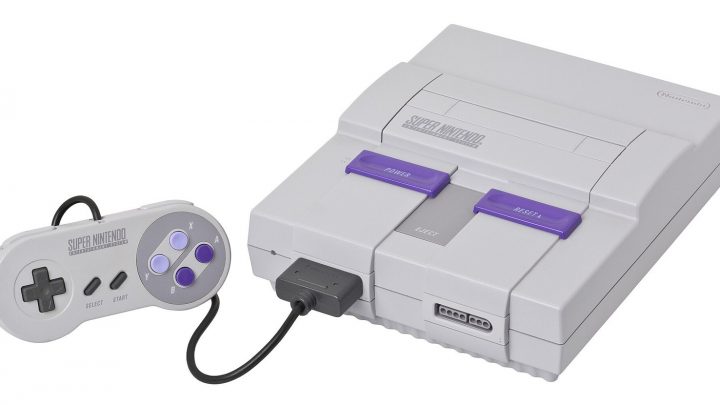
The Super Famicom and SNES: 1990–92 launches, Mode 7, Super FX and other enhancement chips, regional designs, and the non-RPG games that still hold up.
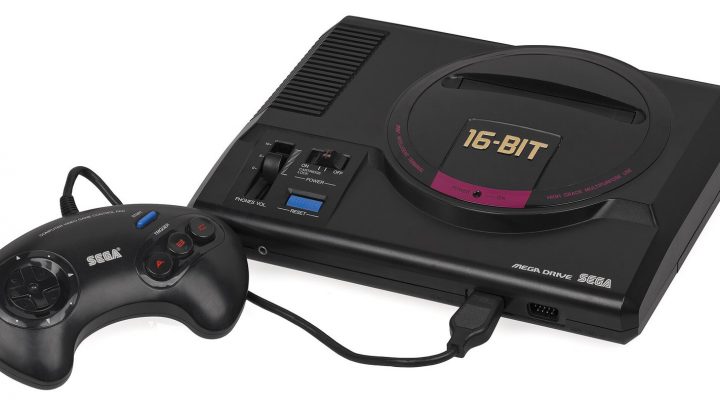
The Sega Mega Drive and Genesis: its 1988–1990 launches, 68000-based hardware, arcade ports, sports games, and why it thrived in the West and Brazil.
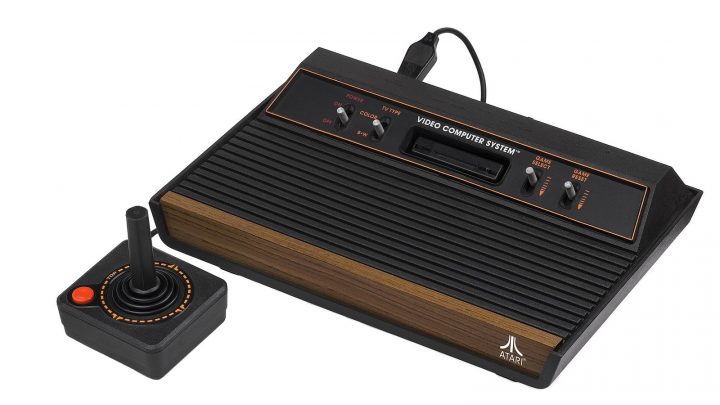
From the 1977 Atari VCS launch and Warner's money to racing the beam and Activision's revolt, the history of the Atari 2600.
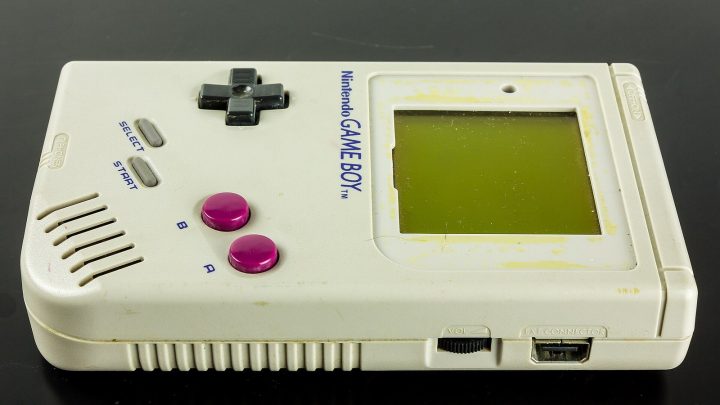
How Gunpei Yokoi's "withered technology" philosophy, Tetris and long battery life turned Nintendo's 1989 Game Boy into a handheld giant.