Console History
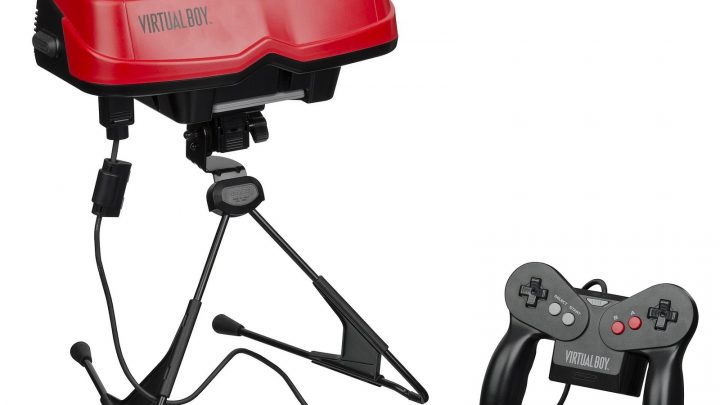
The Virtual Boy: Nintendo’s 3D Experiment and Why It Failed
Nintendo's red-and-black 3D console lasted barely a year. How the Virtual Boy worked, why it failed and why collectors find it fascinating today.
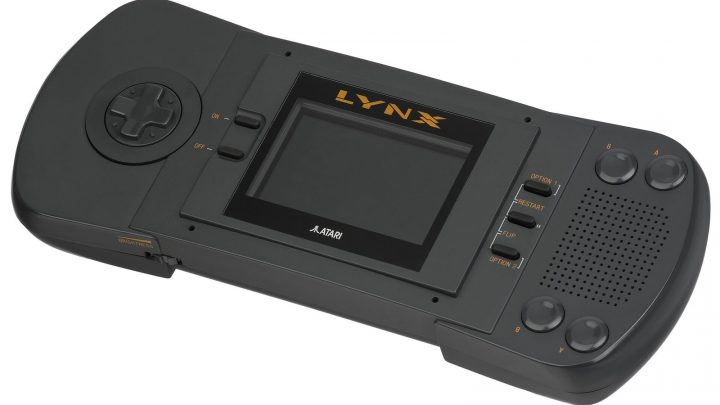
The Lynx, Game Gear and TurboExpress all had color screens. The gray-green Game Boy still won. Here is how the first handheld war played out.
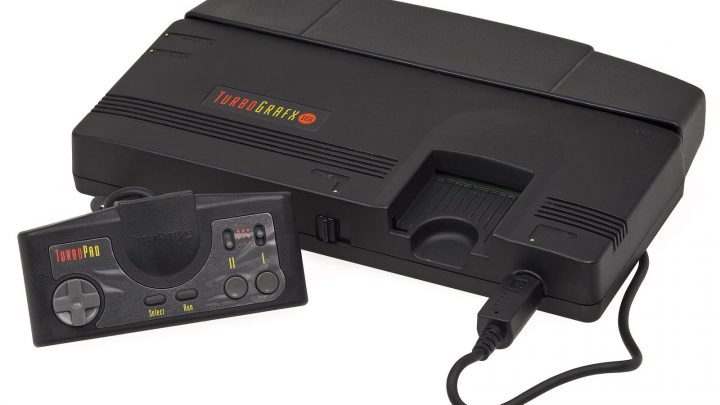
NEC and Hudson Soft's PC Engine was a hit in Japan and pioneered CD-ROM games. Here is why its American twin, the TurboGrafx-16, struggled.
Atari really did bury games in a New Mexico landfill in 1983. What the 2014 dig found, and what the famous E.T. legend gets wrong.
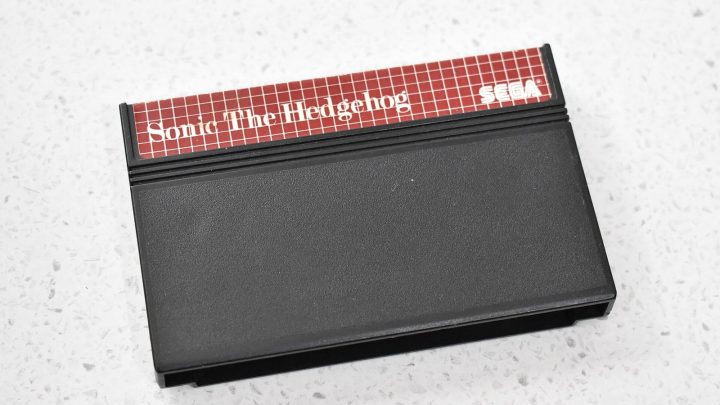
How a small Sega team built a blue hedgehog around speed, and how a bold pack-in decision turned Sonic into the face of the Genesis.
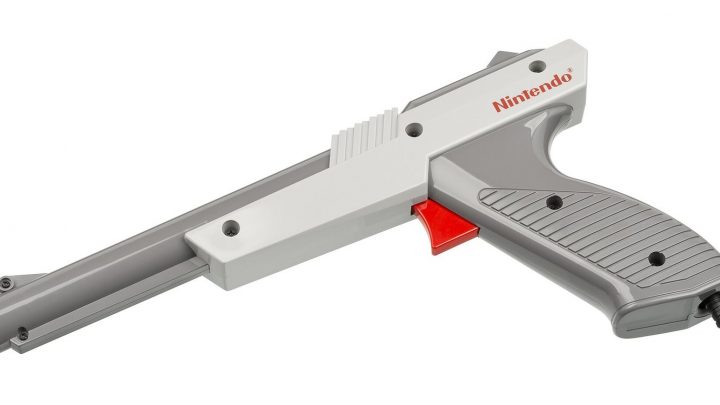
Light guns never fired light. Here is how the NES Zapper and arcade guns read a CRT screen, and why the classic ones fail on modern flat-panel TVs.
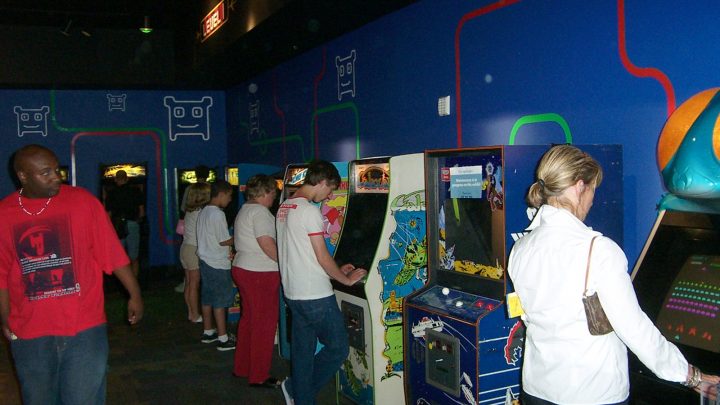
What is inside an arcade cabinet, how the 1985 JAMMA wiring standard made game boards swappable, and what collectors should know before buying.
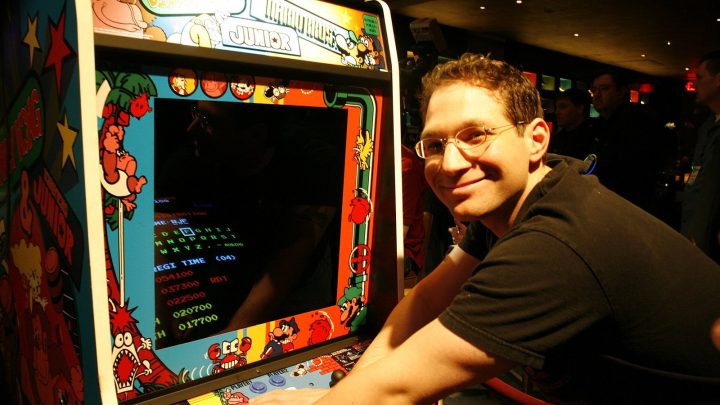
How a warehouse full of unsold Radar Scope cabinets led to Donkey Kong, Mario's debut, a King Kong lawsuit and gaming's most famous high-score rivalry.
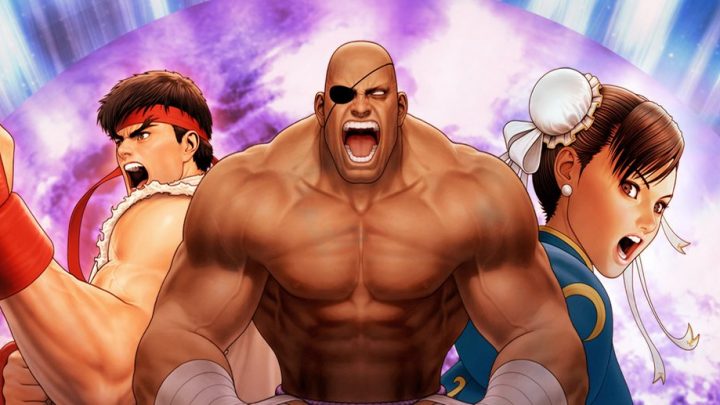
How Capcom's 1991 Street Fighter II, with its eight fighters, special moves and accidental combos, brought crowds back to arcades and launched a genre.
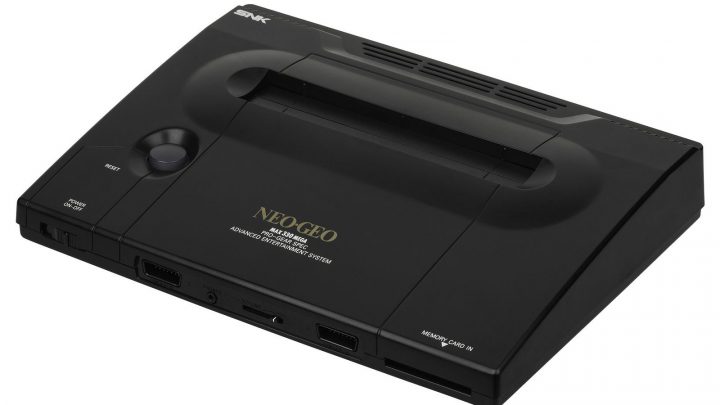
How SNK's Neo Geo used one platform for arcades (MVS) and homes (AES), why its cartridges cost so much, and what made it a fighting game powerhouse.