Collecting
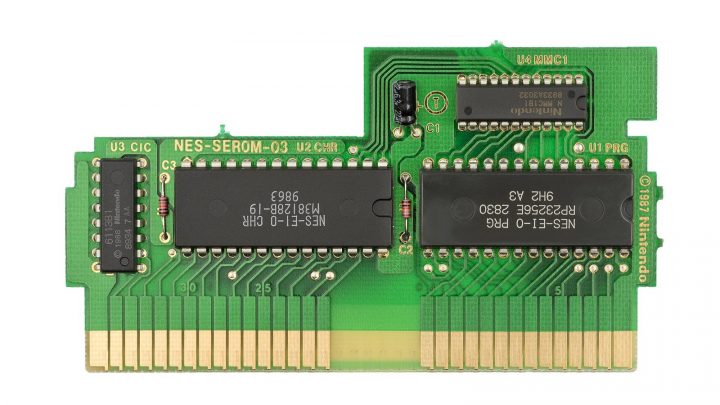
How to Spot Fake and Reproduction Retro Games Before You Buy
How to tell original retro games from reproductions and counterfeits: labels, screws, shells, circuit boards, chips, weight, boxes and too-good-to-be-true deals.
How to tell original retro games from reproductions and counterfeits: labels, screws, shells, circuit boards, chips, weight, boxes and too-good-to-be-true deals.
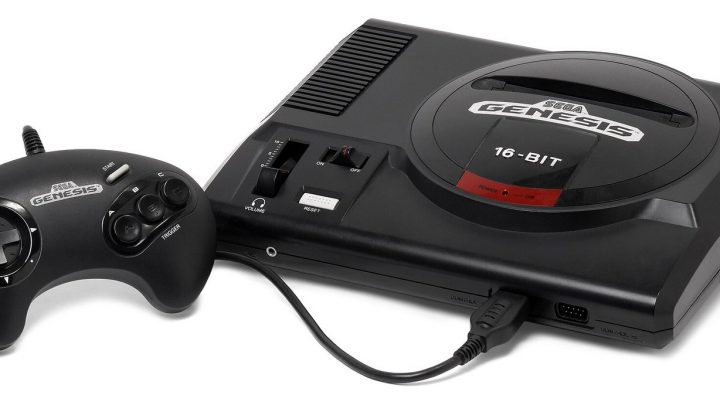
The Sega vs. Nintendo rivalry of the 16-bit era: Genesis Does What Nintendon't, Tom Kalinske's Sonic strategy, blast processing, Mortal Kombat and how it ended.
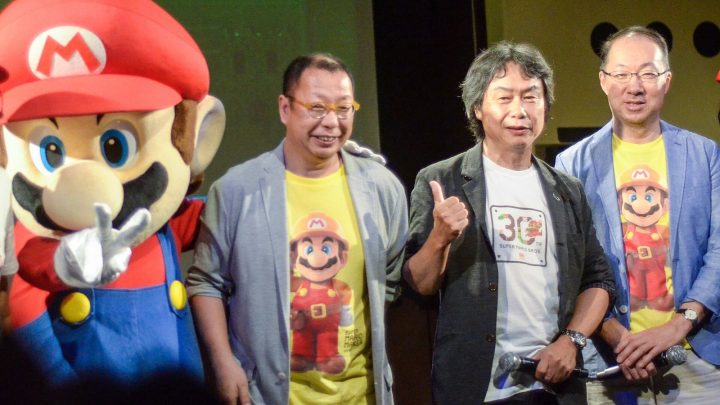
How Super Mario Bros. came together in 1985: Mario's arcade roots, Miyamoto and Tezuka's design, World 1-1 as a tutorial, Koji Kondo's music and its legacy.
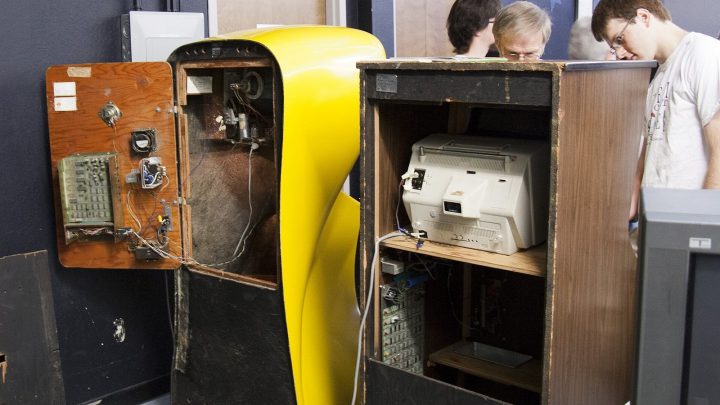
How Nolan Bushnell, Ted Dabney and Allan Alcorn turned a simple tennis game into Atari's first hit, plus the Odyssey patent fight and Home Pong.
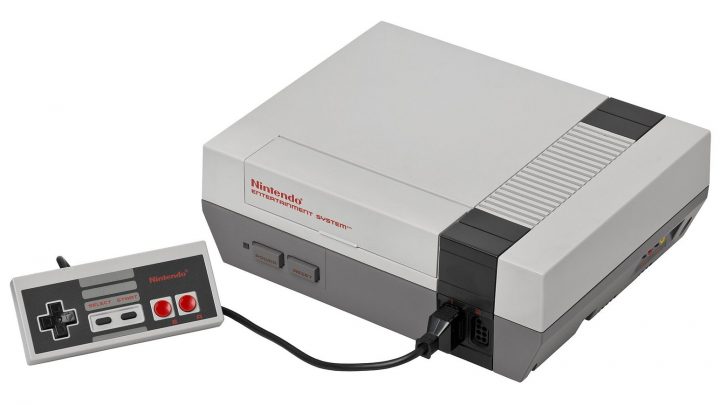
How Nintendo's Famicom became the NES: the 1983 Japanese launch, the VCR-style redesign, R.O.B. as a toy-store strategy, licensing rules and the launch games.
Emulators versus game files and BIOS code: what Sony v. Connectix and Sony v. Bleem decided, why sharing ROMs is infringement, and why backups are murky.
A practical guide to starting a retro game collection: choosing a focus, where to buy, condition terms like loose and CIB, budgeting and beginner mistakes.
How Space Invaders, Asteroids, Pac-Man, Donkey Kong and friends built the late-1970s arcade boom, why it faded, and how fighting games revived arcades.
Why the North American console market collapsed between 1983 and 1985, what caused it, and how the crash shaped Nintendo's careful launch of the NES.
How console generations are counted, from the 1972 Magnavox Odyssey to the PS5 and Switch 2, with the key machines and technical shifts of each era.