Legal Ways to Play Classic Games Today: Collections, Mini Consoles and Re-Releases
Mini consoles, Nintendo Switch Online, publisher compilations, DRM-free stores and original hardware: the official ways to play classic games as of 2026.
Wanting to play a game from 1985 or 1995 should not mean wading into legal grey areas. As explained in our article on whether emulation is legal, emulator software itself is generally lawful, but downloading or sharing copyrighted game files is not. Fortunately, there are more official ways to play classic games today than at almost any point in the past, from plug-and-play mini consoles to curated subscription libraries and publisher compilations built with real historical care.
This guide surveys the main legal routes as of 2026, what each is good at, and the trade-offs to keep in mind. Availability of individual games changes over time, so treat specific lineups as a starting point and check current listings before buying.
Plug-and-Play Mini Consoles
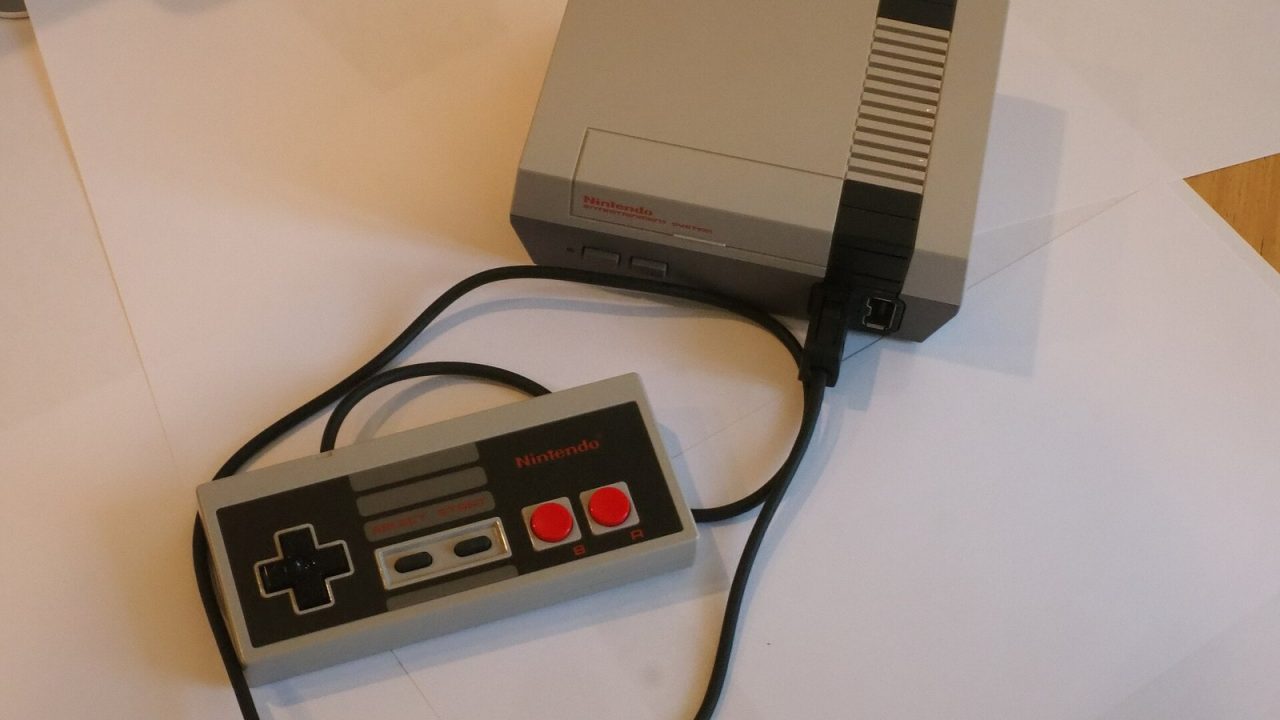
The modern wave of official mini consoles started with Nintendo’s NES Classic Edition, released in November 2016. It was a small replica of the original console with 30 built-in games and HDMI output at 720p. Demand was so strong that Nintendo stopped production in April 2017, resumed shipments in June 2018, then ended production again in December 2018. A Super NES Classic Edition followed in 2017.
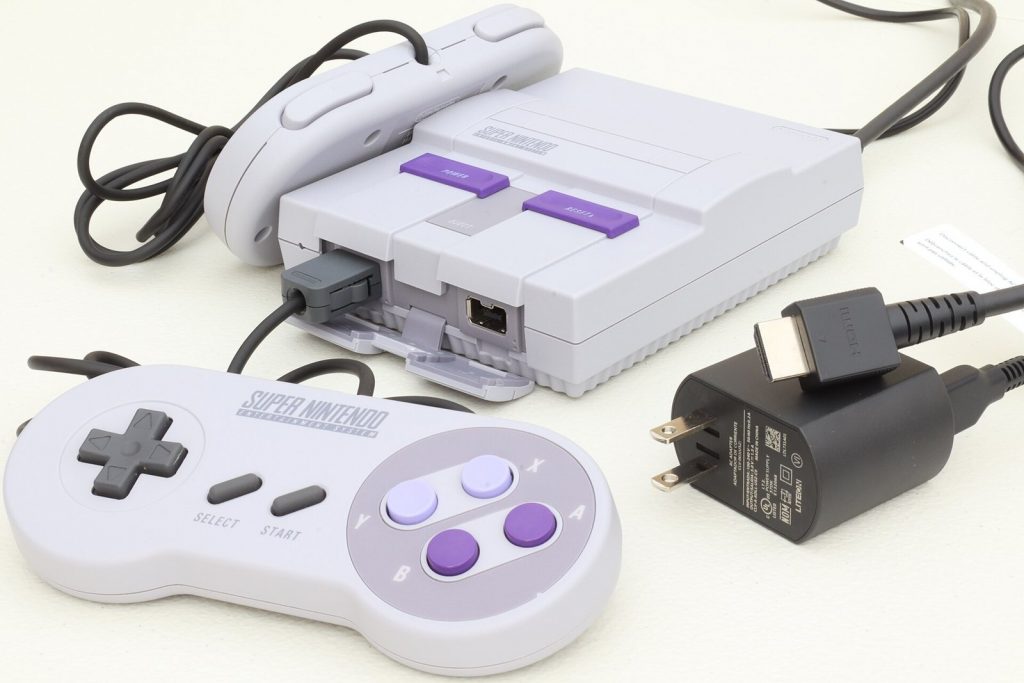
Other companies followed the format:
| Device | Maker | Release | Notes |
|---|---|---|---|
| NES Classic Edition | Nintendo | November 2016 | 30 built-in games, HDMI |
| Super NES Classic Edition | Nintendo | September 2017 | 21 games, including the first official release of the cancelled Star Fox 2 |
| Sega Genesis / Mega Drive Mini | Sega (ports by M2) | September 2019 | 42 games including two arcade bonuses |
| Sega Genesis Mini 2 | Sega | October 2022 | Follow-up with a new library |
| Atari 2600+ | Atari with Plaion | November 2023 | Plays most original 2600 and 7800 cartridges over HDMI |
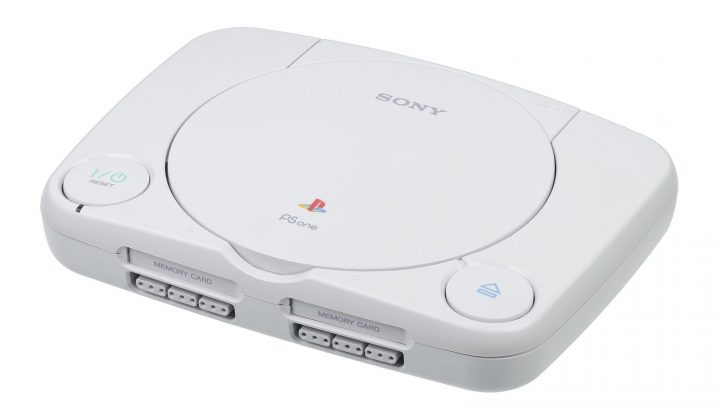
Sony’s PlayStation Classic, SNK’s Neo Geo Mini and a TurboGrafx-16 Mini also appeared in the late 2010s. Most of these devices are no longer manufactured, so they are now found mainly on the secondhand market.
Strengths: simple setup, HDMI output, carefully chosen libraries, and often accurate ports. Limitations: fixed libraries, small controller cables on some models, and limited production runs.
The Atari 2600+ is a slightly different idea: instead of a built-in library, it is designed to play original cartridges, using software emulation internally. Reference sources note that a few cartridges do not run on it, so check compatibility lists for specific games.
Nintendo Switch Online Classic Libraries
Nintendo’s subscription service includes several classic libraries. According to Nintendo’s official service page, the base Nintendo Switch Online membership includes curated libraries of NES, Super NES and Game Boy titles. The higher Expansion Pack tier adds Nintendo 64, Game Boy Advance, Sega Genesis and Virtual Boy libraries, and on Nintendo Switch 2 it also includes Nintendo GameCube games.
These libraries add modern conveniences such as suspend points and online play for multiplayer games. The catalog grows over time, so check Nintendo’s current listings for specific titles.
Strengths: broad first-party Nintendo coverage, low cost per game, online multiplayer. Limitations: games are available only while you subscribe, and the selection is curated by Nintendo rather than complete.
PlayStation Plus Classics
When Sony restructured PlayStation Plus in June 2022, it created three tiers: Essential, Extra and Premium. Premium includes a catalog of classic games from the original PlayStation, PS2 and PSP, which can be downloaded, and PS3 titles available by cloud streaming. In regions without cloud streaming, Sony offers a Deluxe tier with the downloadable classics but without PS3 streaming.
Some classic PlayStation titles are also sold individually on the PlayStation Store, which avoids the ongoing subscription.
Publisher Compilations and Arcade Re-Releases
Many publishers have released their own classic catalogs as paid collections. These vary widely in quality, but the best ones include historical material, display options and save features. Notable examples include:
- Atari 50: The Anniversary Celebration (2022), developed by Digital Eclipse. It is both a compilation and an interactive documentary, with a five-part timeline of Atari’s history combining playable games, video interviews and scanned artifacts. The base collection has over 100 games, with more added through downloadable content.
- Capcom Arcade Stadium (2021) and Capcom Arcade 2nd Stadium (2022), which together bring dozens of Capcom arcade games to modern consoles and PC, sold individually or in packs.
- Arcade Archives, a long-running series from Hamster Corporation that began on PS4 in 2014. It republishes individual arcade games under license from their rights holders, including companies whose original developers no longer exist, and has expanded to Switch, Xbox, PC and newer consoles. A sister series covers Neo Geo games.
- Namco and Sega collections. Both companies have issued multiple compilations of their arcade and console history across generations of hardware.
A cautionary example: the Sega Genesis Classics compilation, released on PS4 and Xbox One in 2018 and on Switch later that year, was removed from major digital storefronts on December 6, 2024, after Sega announced its delisting. Physical copies remain playable, but digital purchases are no longer available to new buyers. It is a good illustration of why preservationists worry about digital-only access, a theme covered in our article on why game preservation matters.
Licensed Cartridge Systems
Blaze Entertainment’s Evercade takes a hybrid approach. Since its first handheld launched in May 2020, the British company has sold physical cartridges, each typically containing several officially licensed classic games running under emulation. Its partners have included Atari, Bandai Namco, Data East, Capcom, Taito and others, and the platform has expanded to home consoles, newer handhelds and a tabletop arcade cabinet.
For collectors who like owning something physical, this format offers legal access to classic libraries without hunting for original cartridges, and the collections usually come with printed manuals.
DRM-Free Stores for Classic PC Games
Classic PC games have their own preservation challenges: old operating systems, outdated drivers, and copy protection that no longer runs on modern machines. GOG.com, launched in February 2008 as Good Old Games, built its business on selling classic PC games without DRM, already adapted to run on modern systems. That often means pre-patching games or bundling them with compatibility tools such as DOSBox or ScummVM.
In November 2024, GOG launched its Preservation Program with more than 100 titles, committing to keep selected classic games working on current and future systems. Ownership has changed since: CD Projekt, GOG’s longtime parent, sold the store to co-founder Michał Kiciński in December 2025. DRM-free purchases can be downloaded and backed up as offline installers, which gives buyers more control than many other digital storefronts.
Mainstream PC stores also sell many classic titles officially, and publishers sometimes re-release older PC games with modern compatibility fixes.
Original Hardware and Original Media
The most authentic option is still the original: real consoles and real cartridges or discs. Owning original copies is legal, and games bought secondhand are yours to play. The challenges are practical rather than legal: prices for popular games, aging hardware, and connecting old consoles to new TVs. Our guide on connecting retro consoles to modern TVs explains video options, and the Atari 2600+ mentioned above shows that some modern hardware is designed to play original cartridges directly.
Choosing the Right Route
Each option suits a different kind of player:
- Casual nostalgia: a mini console or subscription library offers the most games for the least effort.
- Arcade fans: Arcade Archives and publisher arcade collections often include display options and settings close to the original cabinets.
- History enthusiasts: documentary-style compilations such as Atari 50 provide context alongside the games.
- PC classics: DRM-free stores handle compatibility for you and let you keep offline installers.
- Collectors: original hardware and media remain the most authentic experience, with licensed cartridge systems as a newer physical alternative.
Things to Check Before You Buy
- Ownership vs. access. A subscription grants access while you pay; a purchase may be playable indefinitely, though digital storefronts can still remove listings.
- Region and language. Some collections include multiple regional versions; others offer only one.
- Emulation quality. Reviews often comment on input lag, audio accuracy and display options.
- Extras. Save states, rewind, and scanned manuals or box art can add real value.
- Official status. Avoid unofficial devices preloaded with large numbers of games. If the seller cannot explain where the licenses come from, they probably do not exist.
Frequently Asked Questions
Are official re-releases emulated?
Very often, yes. Mini consoles, subscription libraries, compilations and licensed cartridge systems typically run the original game code in emulation. What makes them legal is not the technology but the license: the rights holder has authorized the release.
Is buying a secondhand original cartridge legal?
Yes. Reselling and buying legitimately made physical copies is normal practice. The thing to watch for is counterfeit or reproduction cartridges sold as originals, which is a quality and honesty issue as much as a legal one.
What if a game I want has never been re-released?
That is common, especially for licensed games tied to films or sports leagues, where music, brand or likeness rights complicate any reissue. In those cases, the original release on original hardware is usually the only official route.
Can I use my own backups instead?
The legal status of personal backup copies varies by country and is not settled everywhere. This site does not provide guidance on creating or obtaining game files; if the question matters to you, consult the law in your jurisdiction or a qualified professional.
The market for official classic games is healthier than it was a decade ago, but it is uneven. Some companies have re-released almost their entire back catalogs; others have barely touched theirs, and many games remain unavailable through any legal channel. Supporting good official releases is one practical way players can encourage more of them.