The First Handheld Wars: Atari Lynx, Sega Game Gear and Why Game Boy Won
The Lynx, Game Gear and TurboExpress all had color screens. The gray-green Game Boy still won. Here is how the first handheld war played out.
On paper, the first great handheld console war should not have been close. Between 1989 and 1991, three challengers arrived with backlit color screens, faster hardware and impressive technical tricks. Their opponent had a small, unlit monochrome display showing shades of gray-green. Yet Nintendo’s Game Boy outsold all of them by a wide margin and dominated portable gaming for the rest of the decade.
We have covered the Game Boy’s own story in our Game Boy history. This article focuses on the challengers: the Atari Lynx, the Sega Game Gear and NEC’s TurboExpress, what each did well, and why technical superiority was not enough.
The Setting: Nintendo Moves First
The Game Boy launched in Japan on April 21, 1989, and in North America on July 31, 1989, at a US price of about $90. Outside Japan it came bundled with Tetris, a puzzle game that suited short play sessions and appealed to adults as well as children (see our Tetris history for how that bundle came about). It ran on four AA batteries with a battery life of up to around 30 hours.
Nintendo deliberately chose a simple grayscale screen without a backlight. It was less impressive than a color display, but it was cheaper, used less power and was more practical. That choice defined the competition: every rival tried to beat the Game Boy on screen quality and paid for it in price and battery life.
Atari Lynx (1989): The First Color Handheld
The Lynx began life outside Atari. It was developed at the software company Epyx as a project called the “Handy,” with RJ Mical and Dave Needle, two engineers who had previously worked on the Amiga computer. When Epyx ran into financial trouble, Atari took over the project and brought it to market.
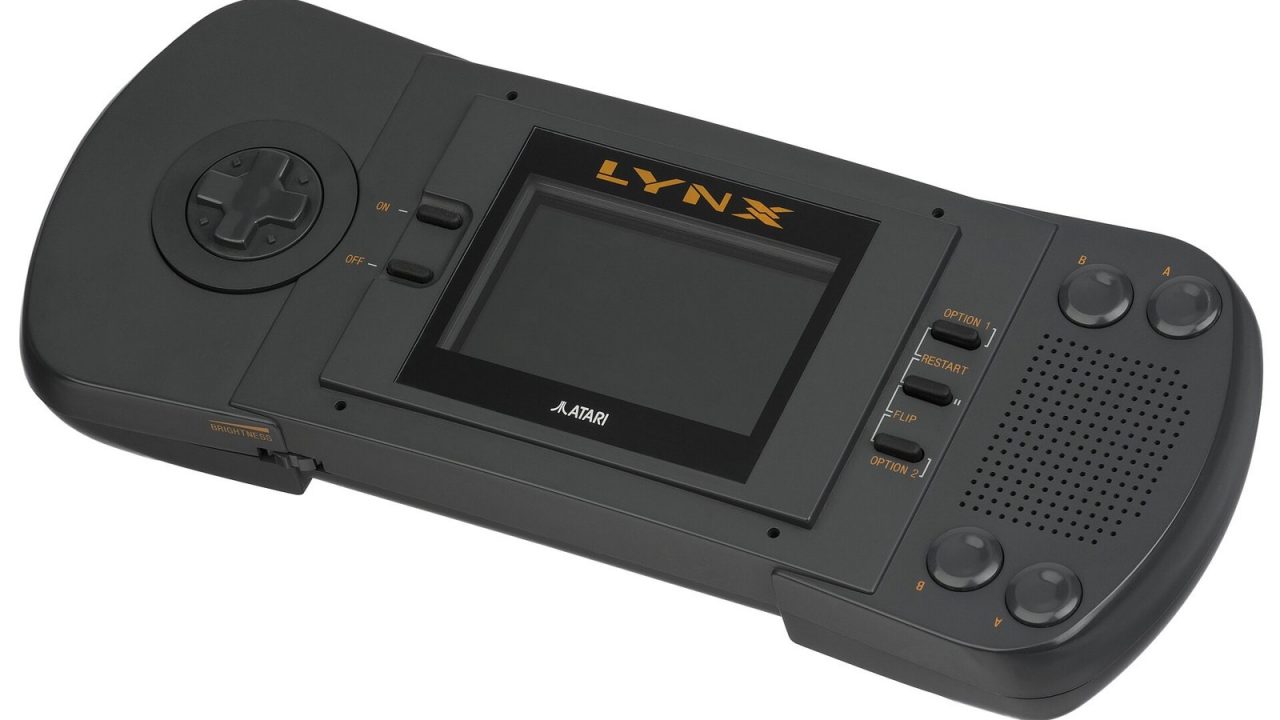
The Lynx launched in North America on September 1, 1989, with an introductory price of about $180, and reached Europe and Japan in 1990. It is generally described as the first handheld game console with a color LCD.
Strengths
- Color and power. A backlit 3.5-inch color screen, a palette of 4,096 colors and custom chips (nicknamed “Suzy” and “Mikey”) that could scale and distort sprites, producing pseudo-3D effects unusual on a handheld.
- Ambidextrous design. The Lynx could be flipped upside down so that left-handed players could use the directional pad with their right hand, with the screen image inverted to match.
- Multiplayer. Units could be linked with ComLynx cables, with stable connections for up to eight players in supported games.
Weaknesses
- Size and power use. The original Lynx was large for a handheld and ran on six AA batteries, lasting around four to five hours.
- Price. At roughly double the Game Boy’s price, it was a much harder sell to parents.
- Library. Atari published 71 games for it over its life, far fewer than its rivals.
Atari released a smaller, lighter Lynx II in 1991 with a clearer screen, a power-saving option and a stereo headphone jack, at a lower price of $99 without accessories. It helped, but not enough. Total Lynx sales are estimated at around two million units. Atari formally ended support in 1995, and by early 1996 it had stopped game development and hardware manufacturing, after the failure of its Jaguar console.
Sega Game Gear (1990): A Master System in Your Hands
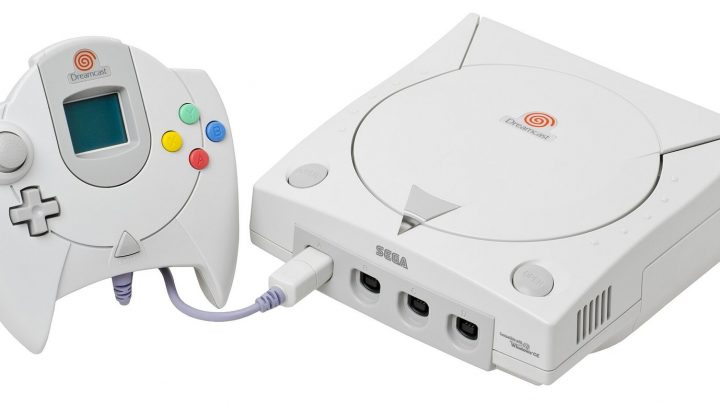
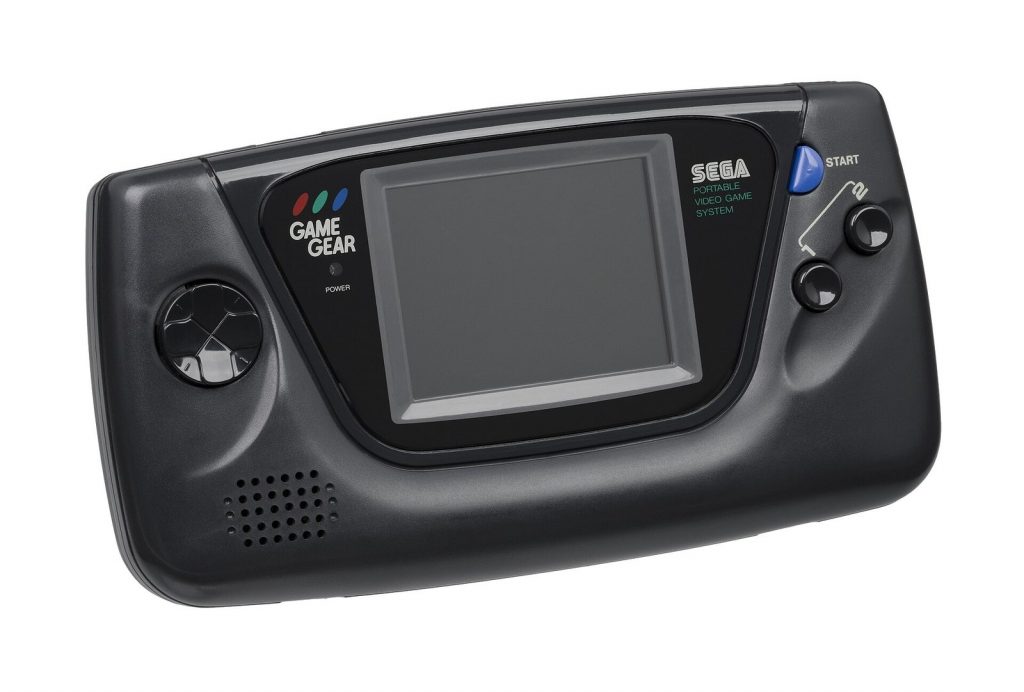
Sega’s approach was pragmatic. The Game Gear, launched in Japan on October 6, 1990, and in North America and Europe in 1991, was built on hardware closely based on Sega’s 8-bit Master System home console, with a Zilog Z80 processor and a 3.2-inch backlit color screen. Its North American launch price was $149.99.
Strengths
- Familiar hardware, easy ports. Because of its Master System lineage, many games could be adapted from the home console. The library eventually exceeded 300 titles.
- Sega’s brand. Sonic the Hedgehog and other Sega franchises appeared on the system, giving it recognizable games at a time when Sega’s home console was flourishing (see our Sonic history).
- Accessories. A TV Tuner turned the Game Gear into a portable television, and the Master Gear adapter let it play Master System cartridges.
- A landscape layout. Its wide shape, with controls on either side of the screen, resembled a home controller and felt comfortable to many players.
Weaknesses
Battery life was the Game Gear’s most criticized flaw. It also used six AA batteries, lasting roughly three to five hours, and reviewers complained about it heavily. Its price, while lower than the Lynx’s, was still well above the Game Boy’s.
Even so, the Game Gear was the most successful of the challengers. It sold 10.62 million units by March 1996 and about 14 million overall. A former Sega executive later described its result as “a respectable chunk of market share” that was nonetheless seen as a failure beside the Game Boy. Sega ended support in Japan in 1996 and worldwide in 1997, though a budget version was sold by Majesco between 2000 and 2002.
NEC TurboExpress (1990): A Home Console in Your Pocket
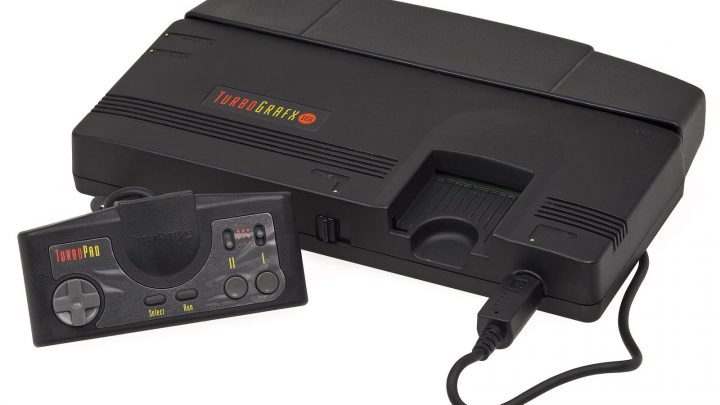
The third challenger was the most technically audacious. The TurboExpress, sold in Japan as the PC Engine GT, launched in December 1990 and played the same HuCard games as the PC Engine and TurboGrafx-16 home consoles. In effect, it was a full home console shrunk into a handheld. For more on the platform itself, see our PC Engine and TurboGrafx-16 history.
Its 2.6-inch backlit active-matrix color screen was sharp for its time, and an optional TurboVision adapter turned it into a handheld TV. But it had serious drawbacks:
- Price. It launched at $249.99 in the US (¥44,800 in Japan), far more than any rival.
- Battery life. Six AA batteries lasted only about three hours.
- Reliability. Dead pixels were common, and faulty capacitors often caused sound problems.
- Readability. Some text in role-playing and adventure games, designed for TV screens, was hard to read on the small display.
The TurboExpress sold about 1.5 million units, far behind both the Game Boy and the Game Gear.
Head-to-Head Comparison
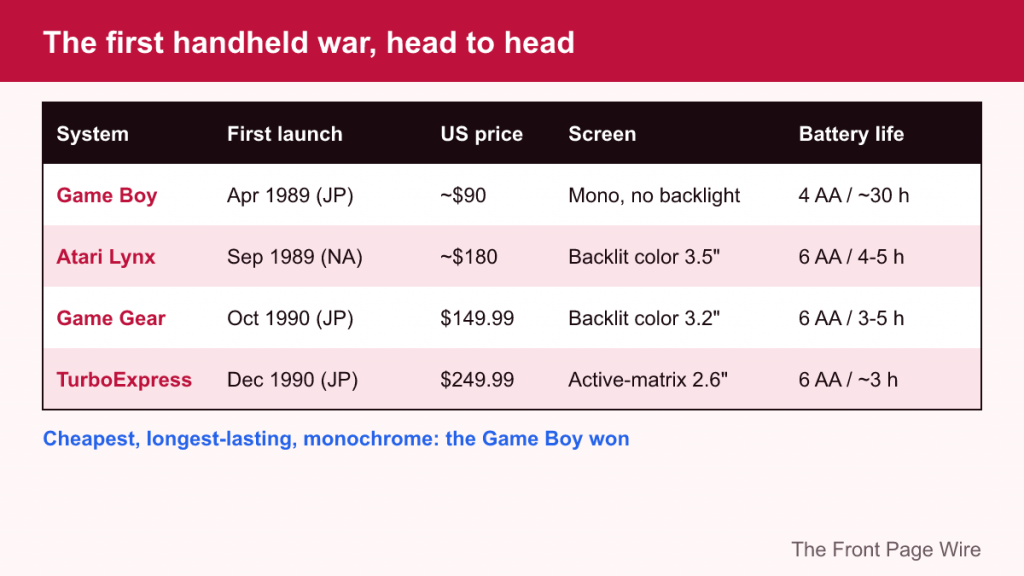
| System | First launch | US launch price | Screen | Batteries / life |
|---|---|---|---|---|
| Nintendo Game Boy | April 1989 (Japan) | about $90 | Monochrome, no backlight | 4 AA / up to ~30 hours |
| Atari Lynx | September 1989 (North America) | about $180 | Backlit color, 3.5″ | 6 AA / ~4–5 hours |
| Sega Game Gear | October 1990 (Japan) | $149.99 | Backlit color, 3.2″ | 6 AA / ~3–5 hours |
| NEC TurboExpress | December 1990 (Japan) | $249.99 | Backlit active-matrix color, 2.6″ | 6 AA / ~3 hours |
Why the Game Boy Won
Looking at the table, the pattern is clear. Every color challenger needed six batteries instead of four and ran for a fraction of the time. Every one cost more, often much more. The reasons the Game Boy won are mostly the ones contemporaries identified at the time.
The scale of the gap is striking. The Lynx’s roughly two million units and the TurboExpress’s roughly 1.5 million were small next to Nintendo’s numbers, and even the most successful challenger fell far behind: by the end of the Game Gear’s life, the Game Boy had sold roughly ten times as many units as Sega’s handheld.
1. Battery life
Backlit color LCDs of the era consumed a lot of power. A Game Boy could last through a long car trip or several days of school bus rides on a single set of batteries; a color rival might need fresh batteries after an afternoon. For families paying for batteries, this was a real running cost, not a technicality.
2. Price
The Game Boy was the cheapest of the four, often by a wide margin. Parents buying a gift do not compare color palettes; they compare price tags.
3. Software
Nintendo had Tetris in the box, its own first-party franchises and broad third-party support. The Game Boy’s library ultimately exceeded 1,000 titles, more than three times the Game Gear’s, and it was by far the largest of the period’s handheld libraries. The Lynx, by contrast, had dozens rather than hundreds of games.
4. Durability and portability
The Game Boy was compact and famously durable. The Lynx was bulky, the TurboExpress delicate, and all three color machines were thirstier and more fragile than Nintendo’s handheld.
5. The right kind of game
The challengers often tried to bring home-console experiences to a handheld. The Game Boy, especially with Tetris, offered something better suited to portable play: games that could be picked up for a few minutes and put down again.
The Lessons of the First Handheld War
The first handheld war is often cited as a lesson in how technical specifications can mislead. The Lynx, Game Gear and TurboExpress were all impressive machines, and each has an enthusiastic following among collectors today. But portable gaming rewards different priorities from home consoles: battery life, price, durability and a library suited to short sessions mattered more than color and processing power.
Nintendo itself only moved to color handhelds with the Game Boy Color in 1998, once screen technology allowed color without a heavy battery penalty. Even then, it kept backward compatibility with the huge monochrome library, a reminder that the software, not the screen, was the Game Boy’s real advantage.
Collecting the Challengers Today
For collectors, these handhelds share common concerns. Backlit screens and aging capacitors in the Game Gear, Lynx and TurboExpress are known weak points, and many surviving units need repair. Screen and capacitor work involves soldering and is best done by experienced technicians. When buying, ask whether a unit’s sound and screen work properly, and be cautious with units sold as untested.